Table of Contents
In recent years, video has emerged as one of the most valuable resources for researchers and analysts across various fields. Unlike static documents or still images, video brings to life layers of context, including tone of voice, body language, setting, and the sequence of events elements that are tough to replicate in other formats. Whether you’re delving into consumer behavior, examining historical events, or assessing training sessions, video materials provide a level of insight that traditional resources often fall short of. This article will guide you on how to effectively utilize video materials in your research and analysis, covering everything from finding credible sources to seamlessly integrating them into your academic or professional work.
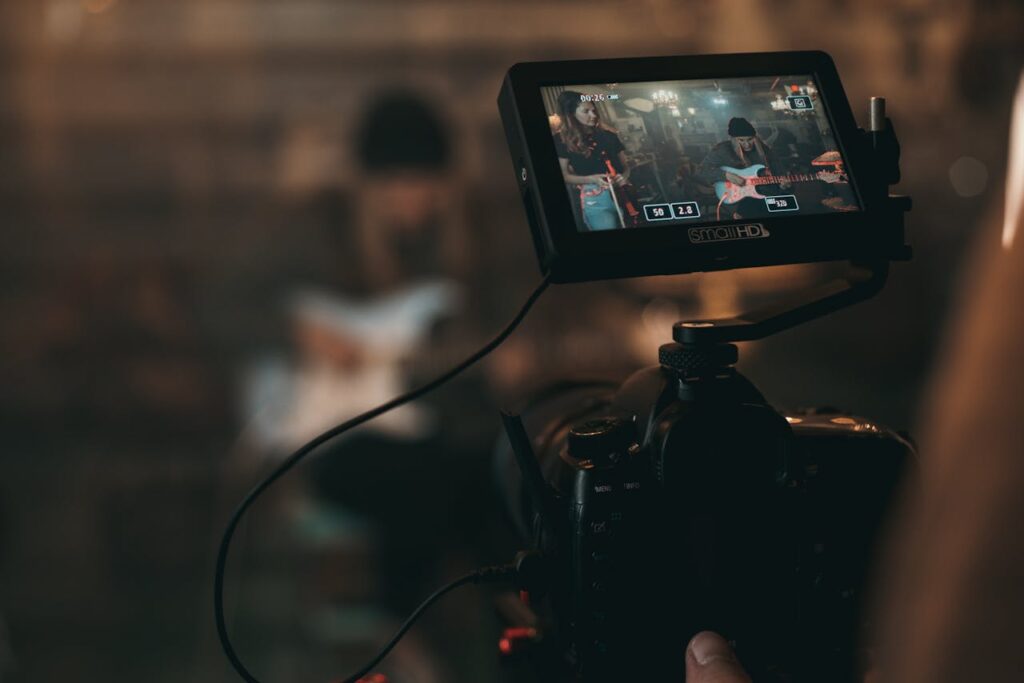
Image source: https://www.pexels.com/photo/unknown-person-playing-guitar-2510428/
The Growing Role of Video in Research
The rise of digital platforms has made video more accessible than ever. Researchers can now move beyond just archives, libraries, or physical recordings. With sites like YouTube, Vimeo, and even specialized academic video libraries, a treasure trove of content is just a click away.
This transformation has changed the game. A political scientist can dive into campaign ads and televised debates, a historian can explore digitized documentaries, and a sociologist can analyze cultural trends through vlogs or interviews. For students, scholars, and professionals, video has evolved from being a mere supplementary resource to a vital part of gathering evidence.
Advantages of Video Over Traditional Sources
One of the biggest perks of using video is its knack for capturing lively, real-time information. While text might give you a second-hand account, video lets you see things as they happen. Take protest footage, for instance; it allows researchers to dive deep into crowd dynamics, how people interact with law enforcement, and even pick up on non-verbal signals like body language and gestures.
Video also brings a powerful emotional element to the table. You can really gauge how an audience reacts during a product test or how a patient responds in a medical study, and you can do it with much more precision than if you were just relying on written notes. This depth makes video an incredibly useful tool in areas like anthropology, psychology, media studies, and marketing.
Challenges in Using Video as Data
Despite its benefits, video also presents unique challenges.
- Credibility and Authenticity: With the rise of manipulated and AI-generated videos, verifying authenticity is critical. Researchers must ensure that the content they rely on is genuine and contextually accurate.
- Volume of Data: A one-hour video may require multiple hours of coding and transcription before it can be meaningfully analyzed. Managing time and resources becomes a significant issue.
- Ethical Considerations: Using video that includes identifiable individuals raises questions of privacy, consent, and data protection, particularly in sensitive fields such as healthcare or social research.
Acknowledging these challenges helps ensure video is used responsibly and effectively.
Methods for Analyzing Video Materials
Researchers typically use both qualitative and quantitative methods when working with video.
- Qualitative Analysis focuses on identifying themes, symbols, and behaviors. For example, a media scholar might look at how gender roles are portrayed in advertisements over time.
- Quantitative Analysis involves measuring frequency, duration, and patterns. This could mean coding how often a politician uses certain gestures during debates or how frequently particular words appear in interviews.
- advances in machine learning and AI now make it easier to automate transcription, facial recognition, and even sentiment analysis, allowing researchers to process large video datasets that would once have been unmanageable.
Tools That Support Video-Based Research
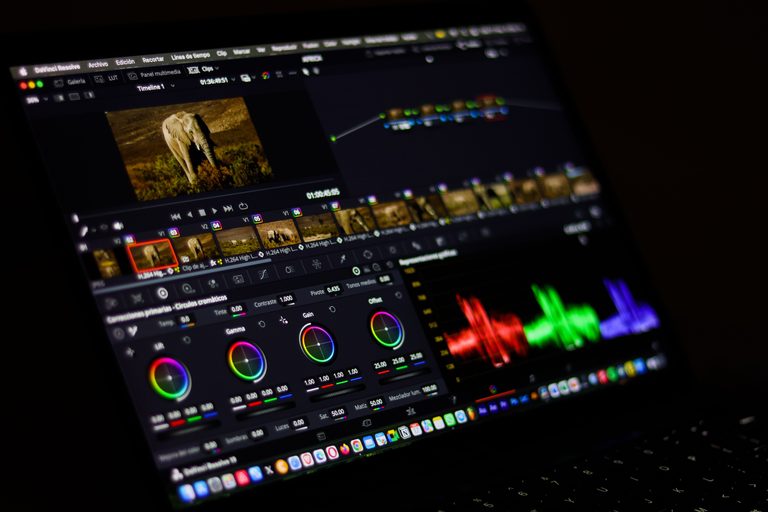
The rise of accessible software has dramatically lowered barriers to working with video. Transcription tools help convert spoken words into text for coding, while annotation software allows researchers to mark key moments, add metadata, and share insights with collaborators.
Equally important is the ability to access video offline for detailed analysis. This is where tools such as a YouTube Downloader become invaluable. Researchers often need to revisit the same material multiple times, frame by frame, and having local access ensures that internet disruptions or sudden content removal won’t interrupt the process.
By integrating these tools into their workflow, analysts can create structured video databases, making retrieval and comparison across different sources much more efficient.
Applications Across Disciplines
- Social Sciences: In sociology and anthropology, video allows ethnographic research to go beyond written accounts. Researchers can analyze gestures, rituals, or interviews from communities around the world without leaving their desks.
- Marketing and Consumer Research: Businesses frequently use video-based focus groups, product demonstrations, or user-generated content to better understand customer perceptions. Analyzing expressions, tone, and reactions gives a more accurate picture of consumer sentiment than surveys alone.
- History and Political Science: Archival footage, interviews, and even citizen journalism have become critical sources for historians and political analysts. For example, documenting the Arab Spring through amateur video provided perspectives not covered by traditional media.
- Education and Training: Teachers and trainers use recorded lectures, role-play scenarios, and case studies to evaluate both delivery and learner engagement. Video feedback loops also help learners reflect on their performance in areas like public speaking or clinical practice.
- Media Studies: From analyzing film techniques to studying the spread of viral content, video is at the heart of media research. Detailed frame analysis allows scholars to uncover cultural narratives and societal values embedded in moving images.
Best Practices for Using Video in Research
To maximize the value of video materials, researchers should establish a structured approach:
- Define Research Objectives: Be clear about why video is being used. Is it for behavioral analysis, archival reference, or sentiment measurement?
- Verify Authenticity: Cross-check the source, date, and context. Avoid relying on videos of uncertain origin.
- Organize Systematically: Store files with metadata such as time stamps, themes, and participant details where appropriate.
- Respect Ethics: Secure permissions where needed and anonymize sensitive data.
- Use Supporting Tools: Employ transcription, annotation, and reliable download tools to ensure accuracy and accessibility.
The Future of Video in Research
The role of video in research and analysis is set to grow even more as technology keeps evolving. With advancements like virtual reality, 360-degree video, and live-streaming platforms, we’re discovering exciting new ways to gather data. Researchers are diving into immersive ethnography, allowing participants to “step inside” a recreated environment for a richer observational experience.
Artificial intelligence is also pushing the boundaries further. Tools like automated video analysis, object recognition, and predictive modeling are starting to change the game for how scholars and professionals make sense of moving images.
Yet, as the amount of video data skyrockets, it’s crucial to use it responsibly, striking a balance between leveraging technological advancements and upholding ethical standards and methodological integrity.
Conclusion
Video materials have evolved from being just supplementary references to becoming essential cornerstones of modern research and analysis. Their unique ability to capture dynamic, authentic, and emotionally engaging information makes them invaluable across various fields, from social sciences to marketing.
The secret to harnessing video effectively lies in a thoughtful approach: ensuring authenticity, conducting structured analyses, and utilizing helpful tools like transcription software and trustworthy downloaders. By doing this, researchers not only deepen their insights but also guarantee that their work is credible and impactful.
Looking ahead, the integration of cutting-edge AI and immersive technologies will further amplify the role of video, transforming it into an even more powerful resource for understanding human behavior, societal shifts, and cultural stories.