Table of Contents
The way customers make payments has shifted dramatically in recent years. Beyond credit cards and digital wallets, cryptocurrency is quickly becoming a mainstream option. Before a customer can use digital assets inside a website or mobile app, they first need to buy crypto through a trusted platform such as MoonPay. Once they’ve made that purchase, businesses that have integrated crypto payment gateways can allow those same assets to be spent directly within their digital products, creating a seamless and modern payment experience.
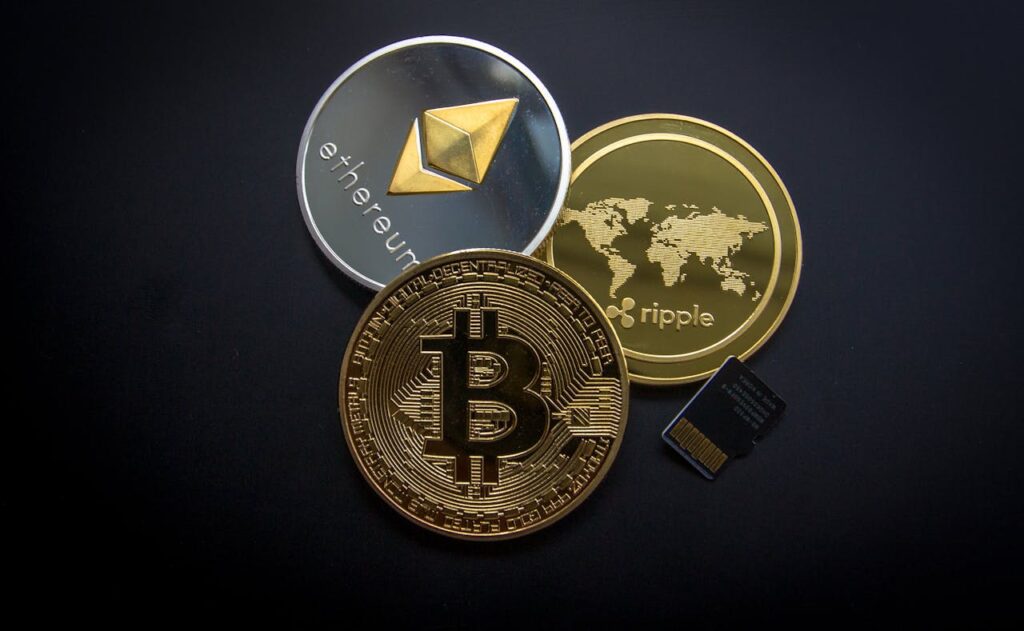
Image source: https://www.pexels.com/photo/ripple-etehereum-and-bitcoin-and-micro-sdhc-card-844124/
Why Businesses Should Care About Crypto Payments
Cryptocurrency isn’t just a buzzword anymore. With millions of people worldwide holding Bitcoin, Ethereum, and other digital assets, offering crypto payments can open the door to new customer segments. Younger demographics, in particular, are more likely to adopt brands that embrace innovation.
For businesses, integrating cryptocurrency means:
- Expanding market reach: Attract customers who prefer decentralized payment methods.
- Lower transaction costs: Many crypto transactions bypass traditional banking fees.
- Global accessibility: Crypto allows businesses to sell to customers in regions where traditional banking is limited.
- Future-proofing: As adoption continues, businesses that adapt early gain a competitive edge
How Crypto Payments Work in Web and Mobile Apps
At its core, integrating crypto payments involves allowing users to pay with their digital wallets. Here’s how the flow typically works:
- Customer selects crypto at checkout – Instead of choosing a credit card, they pick Bitcoin, Ethereum, or another supported currency.
- App generates a payment request – A wallet address or QR code is displayed to the user, and businesses can simplify this experience further with Uniqode’s QR code Generator for faster and more user-friendly crypto payments.
- User confirms the transaction – Funds are transferred from their crypto wallet.
- Payment gateway verifies – The blockchain confirms the transaction and the gateway signals success.
- Business receives funds – Either in crypto or automatically converted to fiat currency.
This process might sound technical, but with the right tools and integrations, it’s often no more complicated than setting up PayPal or Stripe.
Choosing the Right Payment Gateway
One of the most important steps is selecting a cryptocurrency payment gateway. These platforms act as the bridge between your business and the blockchain. Some key features to look for include:
- Multi-currency support: Ability to accept Bitcoin, Ethereum, and other popular tokens.
- Automatic conversion: Option to receive payouts in fiat currency if you don’t want to hold crypto.
- Security features: End-to-end encryption and fraud protection.
- Easy integration: APIs or plugins that work with common CMS and app frameworks.
- Compliance: Adherence to local and international financial regulations.
By using a reputable gateway, businesses avoid the heavy lifting of directly managing blockchain transactions while still offering customers a smooth crypto checkout.
Best Practices for Integration
Successfully bringing crypto payments into your website or app isn’t just about enabling the option — it’s about creating trust and a great user experience. Consider these best practices:
- User Experience First – Keep the payment process seamless and intuitive, just like traditional options.
- Clear Communication – Display supported cryptocurrencies and provide step-by-step guidance at checkout.
- Mobile Optimization – Ensure QR codes, wallet integrations, and confirmations are smooth on smartphones.
- Security as a Priority – Implement SSL certificates, secure APIs, and follow compliance standards.
- Offer Choice – Combine crypto with traditional methods so customers can pick what suits them best.
Businesses are already using crypto payments in creative ways:
- E-commerce stores: Offering crypto as an alternative to PayPal or Visa, especially for international buyers.
- Service platforms: Freelance marketplaces allowing workers to be paid in crypto.
- Subscription apps: Providing recurring payments via blockchain smart contracts.
- Travel and hospitality: Hotels and airlines letting travelers book with crypto for global convenience.
These examples show that cryptocurrency isn’t limited to niche industries. It’s a tool that can benefit almost any sector with online or app based transactions.
Preparing Your Business for the Future
Integrating cryptocurrency payments doesn’t mean abandoning traditional methods. Instead, it’s about broadening your payment ecosystem and positioning your brand as forward-thinking. Customers value flexibility, and providing crypto as an option signals that your business understands modern digital needs.
As regulations continue to evolve and technology advances, crypto will likely become an even more integral part of commerce. Businesses that take steps now even small ones, like exploring payment gateways or piloting crypto checkout on a limited scale will be better prepared for what’s ahead.
Conclusion
Integrating cryptocurrency payments into web and mobile apps is no longer a futuristic idea. It’s an actionable strategy that businesses of all sizes can adopt to attract customers, cut costs, and expand globally. By choosing the right payment gateway, prioritizing security, and ensuring a smooth user experience, companies can confidently embrace this new frontier of digital commerce.
For customers, the journey often begins when they buy crypto on a trusted platform. For businesses, the real opportunity lies in making sure those digital assets can be easily spent once acquired. Together, this cycle creates a seamless ecosystem where innovation meets convenience and where businesses position themselves at the forefront of modern payments.
Disclaimer:
The information provided regarding cryptocurrencies is for educational and informational purposes only and should not be construed as financial, investment, or legal advice. Cryptocurrency markets are highly volatile and involve a significant risk of loss. Before making any investment or trading decisions, you should conduct your own research and consult with a qualified financial advisor. We do not make any guarantees regarding the accuracy, completeness, or timeliness of the information provided, and we are not responsible for any financial losses, damages, or actions taken based on this content. You are solely responsible for your investment decisions.