Table of Contents
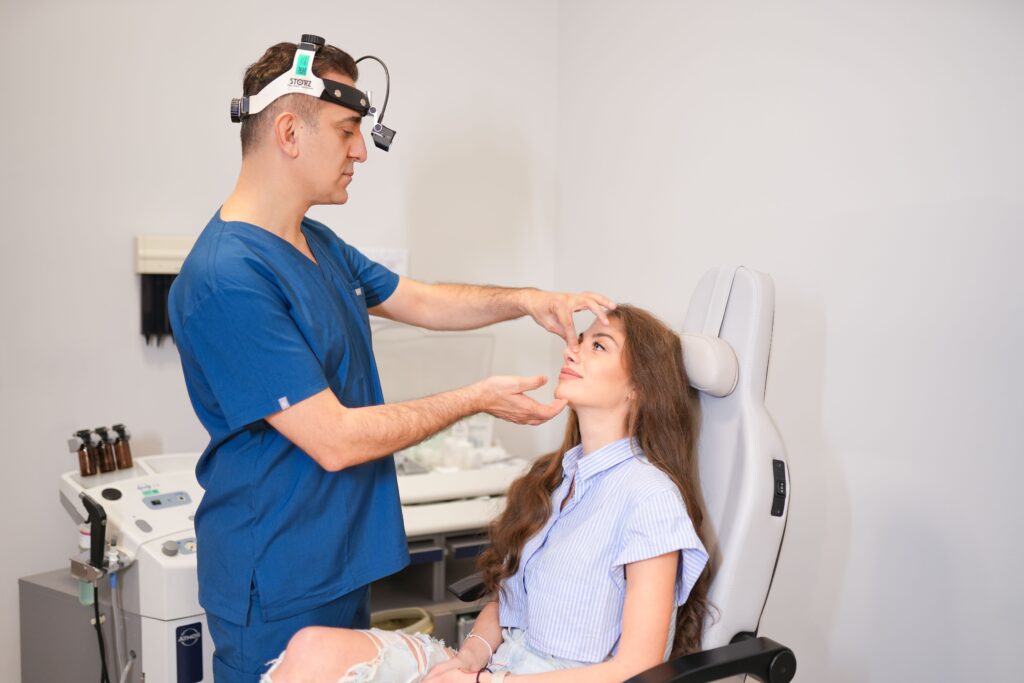
Choosing a healthcare provider looks different today than it did just a few years ago. While recommendations from family and friends still play a role, many patients now begin their search online.
Digital research has become a common part of the healthcare decision-making process. Before booking an appointment, people often compare providers, read reviews, visit websites, and learn about treatment options. This trend is changing how patients evaluate healthcare providers and what they expect from the experience.
The Rise of the Digitally Informed Patient
Patients today have access to more healthcare information than ever before. A quick online search can provide details about medical conditions, treatment options, provider qualifications, and patient experiences.
As a result, many people spend time researching before making an appointment. They often compare several providers and consider factors such as expertise, communication style, convenience, and patient feedback.
This shift reflects a broader change in consumer behavior. Patients are becoming more involved in healthcare decisions and are looking for information that helps them feel confident about their choices.
Online Reviews Are Influencing Healthcare Decisions
Online reviews have become an important source of information for many patients. While reviews are only one part of the decision-making process, they often provide insight into what the patient experience may be like.
Many people look for feedback related to:
- Communication and bedside manner
- Appointment scheduling
- Wait times
- Staff interactions
- Follow-up care
- Overall satisfaction
Patients often compare reviews across multiple providers before making a decision. Positive feedback can help build trust, while recurring concerns may encourage patients to continue their search.
Search Engines Have Become a Key Research Tool
Search engines are often the starting point for healthcare research. Patients use them to find providers, learn about treatments, and compare options available in their area.
Common searches include:
- Local healthcare providers
- Specialists for specific conditions
- Treatment information
- Insurance acceptance
- Patient reviews
- Appointment availability
This trend has made online visibility increasingly important. Providers who offer clear and informative content are often easier for patients to evaluate during the research process.
Healthcare Websites Shape First Impressions
A healthcare provider’s website often serves as a digital first impression. Patients frequently visit websites to gather information before deciding whether to schedule a consultation.
They may look for:
- Professional credentials
- Areas of expertise
- Treatment options
- Office locations
- Contact information
- Educational resources
Easy-to-navigate websites can help patients quickly find the information they need. Many people prefer providers who offer transparent and accessible information online.
Patients Are Researching Specific Procedures More Thoroughly
Digital research has become especially important for patients considering elective procedures. These decisions often involve a longer research process because patients want to understand their options, expected outcomes, and provider experience.
For example, individuals interested in nasal surgery frequently compare techniques, recovery expectations, and surgeon qualifications before scheduling consultations. Many spend time reviewing patient experiences and researching providers recognized as leading rhinoplasty specialists in Beverly Hills and Los Angeles to better understand the factors that may influence treatment decisions.
This type of detailed research reflects a growing preference for informed decision-making. Patients are increasingly seeking information that helps them align healthcare choices with their personal goals and expectations.
Educational Content Supports Better Decision-Making
Healthcare content has become a valuable resource for patients who want to learn more before seeking care.
Popular types of educational content include:
- Blog articles
- Frequently asked questions
- Videos
- Treatment guides
- Recovery information
- Patient stories
Many patients use this information to better understand procedures, prepare questions, and compare treatment options. Educational resources can help simplify complex topics and make healthcare information more accessible.
Telehealth Is Expanding Patient Choice
Telehealth has become a more common part of healthcare delivery. Virtual consultations allow patients to connect with providers without needing to visit an office for every appointment.
This option can be particularly useful for:
- Follow-up appointments
- General health concerns
- Rural communities
- Busy professionals
- Patients seeking second opinions
As telehealth adoption continues to grow, many patients now consider virtual care availability when comparing healthcare providers.
Mobile Technology Is Changing Expectations
Patients increasingly expect healthcare experiences to offer the same convenience found in other digital services.
Many healthcare organizations now provide tools that allow patients to:
- Schedule appointments online
- Receive reminders
- Access medical records
- View test results
- Communicate with providers
These features can make healthcare more convenient and accessible. As digital tools become more common, patient expectations are likely to continue evolving.
The Future of Patient Research in Healthcare
Digital healthcare research continues to evolve as new technologies become available. Artificial intelligence, wearable devices, remote monitoring tools, and personalized healthcare platforms are creating new ways for patients to access information.
At the same time, patients are becoming more comfortable using digital resources throughout their healthcare journey. They are researching earlier, comparing more options, and seeking greater transparency before making decisions.
Healthcare choices are becoming increasingly informed by data, reviews, educational content, and digital experiences. This trend is likely to continue as technology becomes more integrated into everyday healthcare.
Conclusion
Digital research is playing a larger role in how patients choose healthcare providers. Online reviews, search engines, educational content, provider websites, and telehealth services have become important sources of information during the decision-making process.
As healthcare technology continues to develop, patients are gaining access to more resources that help them compare options and make informed choices. The result is a healthcare environment where transparency, accessibility, and information play an increasingly important role in shaping patient decisions.