Table of Contents
In the cutting-edge virtual economy, records have become one of the most treasured materials for software program organizations, especially software-as-a-service (SaaS) providers that rely heavily on records to improve merchandise, embellish consumer studies, and create competitive advantage among the various information resources available.
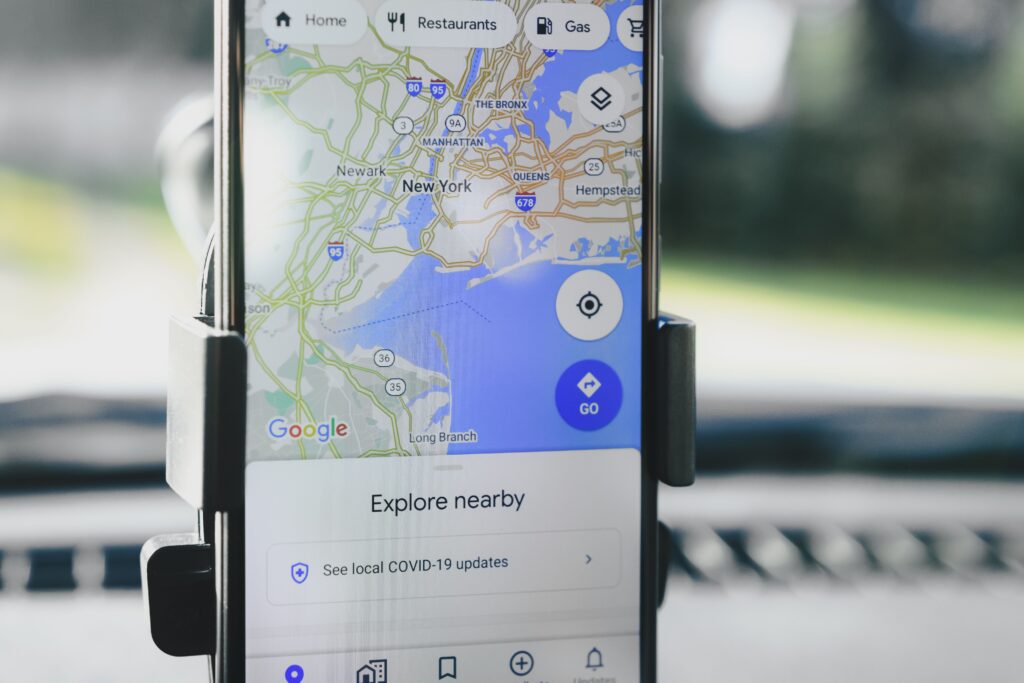
Google Maps datasets have emerged as powerful resources for SaaS teams across industries. Google Maps datasets contain treasured location-based information with commercial enterprise listings, geographic coordinates, customer opinions, operational details, traffic styles, hobby points and when properly stored, managed and analyzed, this data allows SaaS corporations to extend smarter applications, automate workflows, . It can help the patron grow focused and supply more accurate insights.
As location intelligence becomes increasingly important, Google Maps datasets gamble an important place in the development and innovation techniques of modern-day SaaS corporations.
Understanding Google Maps Datasets
Google Maps datasets typically contain a large variety of geographic and business-related records such as:
- Professional names and classes
- Address and contact the numbers
- Website URLs
- Customer ratings and evaluations
- Opening time
- Geographical coordinates
- Popular illustrations and visitor statistics
- Points and landmarks of the hobby
These datasets provide a rich foundation for complete analytics based on sector and can be integrated into SaaS structures to assist many commercial enterprise functions.
Field information for SaaS groups isn’t always just an approximate map. It represents a valuable level of enterprise intelligence that allows businesses to more effectively understand customers, markets and operating environments.
Enhancing Customer Intelligence
One of the huge blessings of Google Maps datasets is the ability to leverage deeper customer insights.
Many SaaS systems serve groups that operate in particular geographic areas. By conducting sector-primarily based statistical analysis, SaaS providers can help customers understand surrounding market conditions, identify prospects, and make better business selections.
For example, an ad automation platform can use Google Maps data sets to make businesses aware of regions with high concentrations of potential customers while a CRM platform can enrich customer profiles with geographic context, allowing for more focused outreach campaigns.
Location intelligence allows SaaS organizations to provide users with actionable insights that improve overall business performance and customer engagement.
Improving Lead Generation Solutions
Lead age remains an important characteristic for many SaaS companies. Google Maps datasets often provide valuable records for organizations in a variety of industries and sectors.
Sales intelligence structures can leverage this records to select potential prospects primarily based on:
- Type of Industry
- Professional size
- Geographical area
- Customers score
- Operational reputation
By incorporating territory-based business reports into lead technology workflows, SaaS carriers can help customers build more accurate prospect lists and increase revenue performance.
The end result is a more comprehensive and record-driven approach to identifying capability enterprise prospects.
Supporting Local SEO and Marketing Tools
Many SaaS companies are ramping up answers focused on virtual advertising and seo (SEO). Google Maps datasets are particularly valuable for local search engine optimization packages.
Businesses are competing for visibility on a growing number of nearby search results. SaaS platforms can use map-related records to help customers:
- Monitor business listings
- Follow competitor locations
- Overview Analyze the overall performance
- Identify neighborhood assessment possibilities
- Manage online popularity
The availability of precise adjacent data enables the marketing system to supply more specific suggestions and improve campaign effectiveness.
Just as neighborhood search drives consumer shopping choices, SaaS organizations that combine area intelligence can deliver greater value to their customers.
Powering Market Research and Competitive Analysis
Market research structures benefit particularly from the Google Maps dataset.
By understanding where competitors are performing and how markets are distributed geographically, important enterprise insights can be tracked. SaaS companies can use mapping data to create visualization tools that help customers examine:
- Competitive density
- Market saturation
- Emerging Business Groups
- Regional growth trends
- Service insurance intervals
For example, a retail analytics platform can additionally help users identify underserved regions in which new shops want to succeed. Similarly, a franchise management platform can use location information to make manual growth strategies.
These capabilities rework immature geographic statistics as strategic enterprise intelligence.
Enabling Location-Based SaaS Products
Some SaaS businesses are built entirely on near-round intelligence.
Industries that include logistics, transportation, shipping services, real estate, discipline services and tours rely heavily on geographic information. Google Maps datasets can help assist applications that need:
- Route optimization
- field control
- Following the fleets
- Service area evaluation
- Property discovery
- Travel signs
Location-based total capability increases product value and improves personas stories in many SaaS categories.
As organizations seek more and more real-time geographic visibility, the call for location-enabled software continues to evolve.
Strengthening AI and Machine Learning Models
Artificial intelligence is a central factor in present-day SaaS structures. However, AI structures require very good data to generate meaningful insights.
Google Maps datasets can contribute valuable geographic context for AI and device learning fashion. These datasets help educate systems that carry out responsibilities that include:
- Prediction of location
- Forecasting demand
- Site identification assessment
- Customer segmentation
- Introduction to geographical trends
For example, an AI-powered commercial enterprise intelligence platform can integrate sector information with customer sport information to find nearby styles and market opportunities.
The inclusion of geographic features greatly improves version accuracy and additionally enables state-of-the-art predictive analytics.
Improving Business Verification and Data Enrichment
Data pleasantness is just an initiative for many SaaS companies. Inaccurate enterprise reports can reduce the effectiveness of revenue, marketing, and analytics tools.
Google Maps datasets provide a reliable source for enterprise validation and enrichment.
SaaS businesses can use location-primarily based data to:
- Validate the commercial enterprise address
- Verify the operating condition
- Update contact statistics
- Improve buyer databases
- Reduce fertility statistics
Increased data accuracy leads to better user stories and additional truthful analytics.
Data richness also enables SaaS structures to provide additional comprehensive buyer profiles and stronger decision-making capabilities.
Supporting Cloud-Based Analytics Platforms
Modern SaaS packages an increasing number of information garages that rely on cloud infrastructure for processing. Google Maps datasets can be incorporated into cloud-based and fully analytics environments to create powerful proximity-intelligent answers.
By combining geospatial data with cloud technologies, SaaS providers can create the following:
- Interactive dashboards
- Geographic heat map
- Market evaluation tools
- Real-time monitoring systems
- Trade Secrets Forums
Cloud-on-premise architecture allows companies to effectively method large amounts of adjacent information, while maintaining scalability and efficiency.
This functionality is especially valuable for corporate clients who require advanced analytics across a couple of sectors and markets.
Creating New Revenue Opportunities
Google Maps datasets can also help SaaS agencies expand entirely new services and products.
Within the software program industry, location intelligence is turning into an independent category. An increasing number of searches for gear providing a geographic perspective to help organizations plan, operate, advertise, and expand.
By incorporating mapping information into existing platforms, SaaS carriers can build top rate capabilities, advanced analytics modules, and specialized reporting capabilities.
These improvements increase customer retention while also generating additional revenue streams. Companies that properly leverage field data regularly differentiate themselves in the crowded software market.
Conclusion
Google Maps datasets have become a valuable asset for SaaS groups on a quest to build smarter, more record-pushing products. From consumer intelligence and lead technology to AI development and aggressive analytics, the total record based on sector presents many possibilities for innovation.
As agencies prioritize digital transformation, the demand for a geographic approach will grow best. SaaS carriers that properly integrate Google Maps data sets into their infrastructure can supply added value, increase choice creation, and unlock new growth opportunities.
In an increasingly aggressive software program panorama, field intelligence is no longer a gap functionality; it’s far from the most important factor available in modern SaS Companies harnessing the power of Google Maps datasets today can gain more space to create innovative solutions and meet the evolving desires of tomorrow’s virtual economy.