Table of Contents
In forex trading, signals promise to make decisions easier by pointing out possible buy or sell opportunities. Some signals cost nothing, while others require a subscription or fee. The choice between free and paid signals often raises one key question: which option deserves trust? Paid forex signals usually offer stronger accuracy and support, while free signals work best as a learning tool or a way to test strategies without financial commitment.
Free signals attract beginners because they provide access without spending money. They can help someone understand basic market movements and gain experience. However, accuracy often varies, and limited detail makes it harder to build long-term confidence in trades. Paid signals, on the other hand, usually come from professional services or experienced traders who back their signals with analysis and consistent delivery.
The decision depends on trading goals, budget, and experience level. Someone new to forex may benefit from free signals while learning, whereas more advanced traders often prefer paid services for deeper insights and better timing. This article explores the differences in detail and explains how to decide which type of forex signal deserves trust.
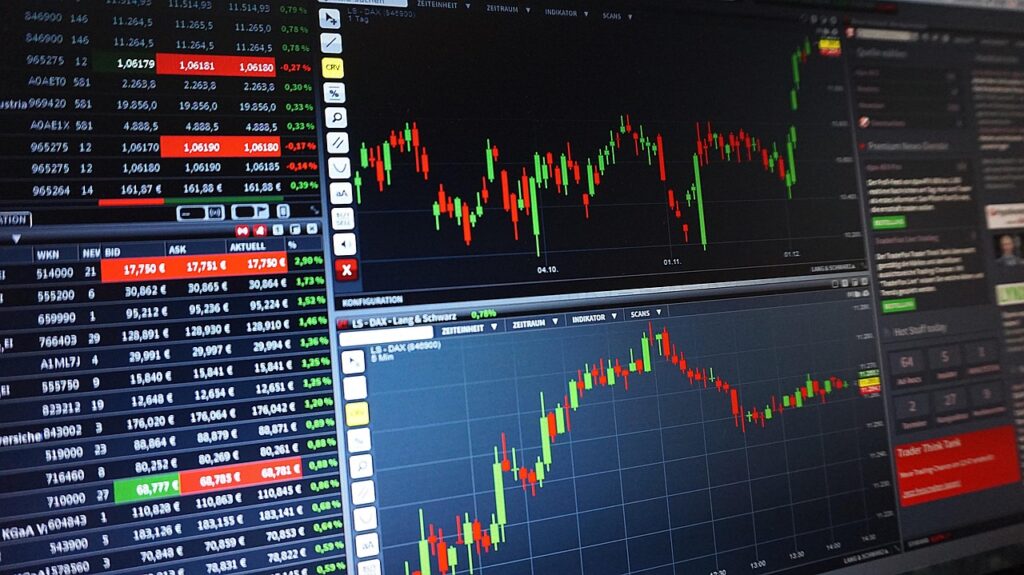
Image source: https://pixabay.com/photos/chart-trading-courses-forex-1905225/
Key Differences Between Free and Paid Forex Signals
Free and paid Forex signals differ in accuracy, delivery speed, cost, and the level of support provided. Some traders value no-cost access to basic tips, while others prefer structured services with stronger analysis and consistent performance.
How Forex Signals Work
Forex signals act as trade suggestions that indicate whether to buy or sell a currency pair at a certain time. They often include entry price, stop-loss, and take-profit levels. Traders can receive signals by email, text, apps, or even automated platforms. Providers generate signals using technical analysis, fundamental analysis, or a mix of both. Technical methods rely on chart patterns and indicators, while fundamental methods focus on economic news and events.
Some services, such as TFXC Forex trading signals, combine different strategies to improve accuracy. Others may specialize in one approach. The delivery method and timing matter greatly, since even a short delay can affect trade results.
Signals can be followed manually or copied automatically into a trading account. Automated execution appeals to traders with limited time, while manual following allows more control. Both free and paid services may offer either option, though advanced automation is more common with paid providers.
Pros and Cons of Free Forex Signals
Free signals give traders an entry point into the market without extra cost. They can help beginners understand market moves and get real examples of trading setups. Many brokers and communities share free signals to attract new users or build engagement.
However, accuracy is often lower compared to paid services. Free providers may not explain the reasoning behind each signal, leaving traders with less insight. Limited detail can make it harder to learn from the process. Another drawback is timing. Free signals may be delayed or irregular, which reduces their usefulness in a fast-moving market. Some traders also face the risk of scams or misleading information, especially if the provider avoids showing past results.
Despite these risks, free signals remain useful for testing strategies or practicing with demo accounts. They can also help traders decide whether paid services are worth the investment.
Pros and Cons of Paid Forex Signals
Paid signals usually come from professionals or experienced traders who dedicate time to market research. They often include detailed reasoning, charts, and risk management levels. This helps traders not only follow the signals but also learn how strategies are built.
Accuracy tends to be stronger, and signals are sent more quickly and consistently. Many paid services also include customer support, education, and tools like automated trade copying. These extras can save time and reduce mistakes. The main drawback is cost. Subscription fees can add up, and profits must outweigh the expense. Traders also need to research providers carefully, since not all paid services deliver strong results. Transparency in performance history is necessary before committing to any plan.
Paid signals work best for traders who want structured guidance and are ready to invest in tools that support long-term growth. They provide more confidence and control but still require personal judgment and risk management.
Which Forex Signals Should You Trust?
Trust in Forex signals depends on the provider’s track record, how well the signals fit a trader’s personal goals, and whether the trader applies sound risk management. The right choice balances outside guidance with individual trading skills and discipline in the Forex market.
Evaluating Signal Providers
A signal service should always show a verified history of past trades. Traders need to see both wins and losses, not just cherry-picked results. Transparency builds confidence, while hidden data often signals poor quality.
Reputable providers usually explain their trading strategies and give clear entry and exit points. They also state the logic behind a trade. This allows traders to judge if the approach matches their own style. Support also matters. Paid services often include customer assistance, while free signals rarely offer that. A trader should check if the provider responds to questions and provides updates.
It is also wise to avoid services that promise unrealistic win rates or guaranteed profits. In the Forex market, no system can remove risk. A provider that admits losses and shows consistent performance over time is more trustworthy than one that claims perfection.
Aligning Signals With Your Trading Goals
Signals only make sense if they fit the trader’s goals and level of experience. A beginner may want fewer signals with simple instructions, while an advanced trader may prefer detailed analysis that complements their own strategies.
Time commitment is another factor. Some signals require quick action during active market hours. Others focus on longer-term positions. A trader should choose a service that matches the time they can dedicate to trading opportunities. Budget also plays a role. Free signals may work for practice on a demo account, but serious traders often pay for structured services that align with their financial goals. The cost should always be weighed against potential value, not just the price tag.
Finally, signals should support—not replace—a trader’s own decision-making process. They work best as a tool within a broader plan rather than a shortcut to profits.
Risk Management and Trading Skills
Even the best trading signals cannot protect a trader who ignores risk management. Every signal should include clear stop-loss and take-profit levels. A trader must follow these limits to avoid large losses.
Position sizing also matters. A single trade should never risk too much of the account balance. Consistency in applying these rules keeps losses manageable and allows gains to build over time.Signals should also serve as a learning tool. By studying why a trade was suggested, traders can improve their own trading skills and strategies. Over time, they may rely less on outside services and more on their own analysis.
Without discipline, signals become a crutch. With the right balance of risk control and skill development, they become a valuable part of a trader’s toolkit in the Forex market.
Conclusion
Free signals can help beginners test strategies or learn basic trade setups, but they often lack accuracy, support, and accountability. Paid signals usually provide more structure, transparency, and risk guidance, though they still require careful review before use.
Traders who want long-term growth should treat signals as tools, not shortcuts. The safest approach is to combine signals with personal analysis and risk management. In the end, free signals suit practice and learning, while paid services may offer more consistent guidance for serious trading. Neither option replaces the need for knowledge, discipline, and independent decision-making.
Disclaimer: This article is for informational purposes only and does not constitute financial advice, investment recommendations, or an offer to trade. Always consult with a certified financial advisor or professional before making any investment or trading decisions. Trading involves risk, and individual results may vary.