Table of Contents
What is Nano-Banana?
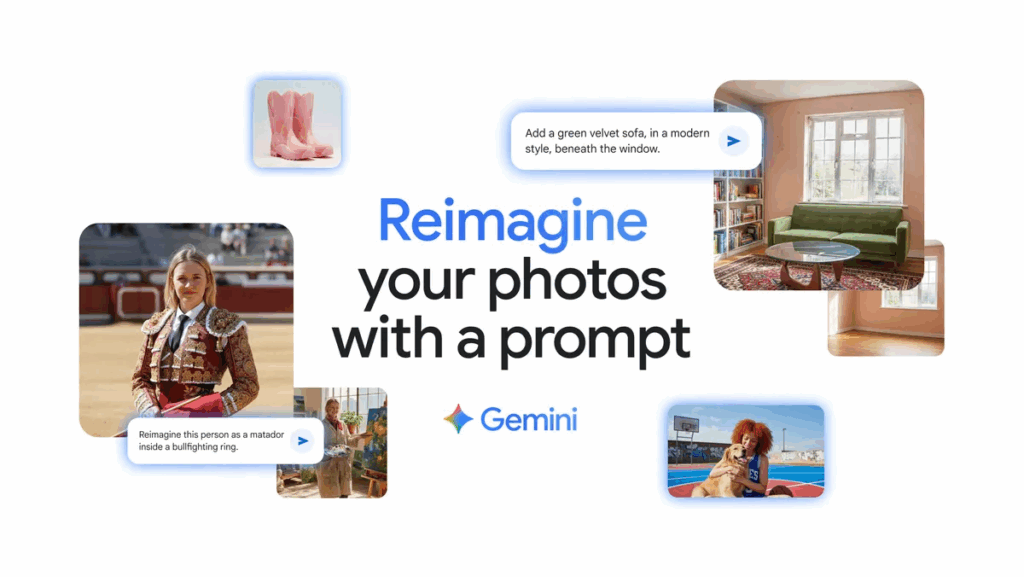
Nano Banana is designed for seamless, natural language-based photo edits, allowing users to transform images just by chatting their instructions. It supports diverse AI-powered editing workflows, such as text-to-image, image-plus-text-to-image, and multi-image fusion, meaning users can generate visuals from scratch, enhance existing photos with prompts, or blend multiple images into new artwork.
Nano Banana’s Key Features
Lightning-Fast Edits: Most transformations occur in 2–8 seconds, preserving style and object consistency, even across complex edits.
Conversational Editing: No complicated sliders or menus. Commands like “make me an anime character” or “change background to beach” are all it needs.
High-Quality Output: Produces professional-grade visual results, including 4K images, and handles creative tasks like style transfer, object addition/removal, age progression, and more.
Developer Access: Available through the Gemini API and Google AI Studio, with competitive pricing for batch processing and commercial use.
Limitations
Nano Banana excels at creative edits but can sometimes alter facial features in ways that may not maintain perfect likeness through many transformations, making it ideal for casual artistry but less suited for meticulous portrait work.
Applications
From instant professional headshots and artistic effects to fashion makeovers and marketing visuals, Nano Banana is frequently used by designers, content creators, and anyone looking to edit photos intuitively and efficiently.
Nano-Banana is changing how users and developers approach image editing, emphasising creativity, speed, and ease of use through AI conversation.
Conclusion
Nano Banana is more than just a photo editing tool—it’s a glimpse into the future of AI-driven creativity. By combining speed, natural language commands, and professional-grade output, it empowers both casual users and professionals to transform images effortlessly. While it has some limitations in maintaining facial likeness across repeated edits, its versatility and accessibility make it one of the most exciting advancements in AI image editing today.