Table of Contents
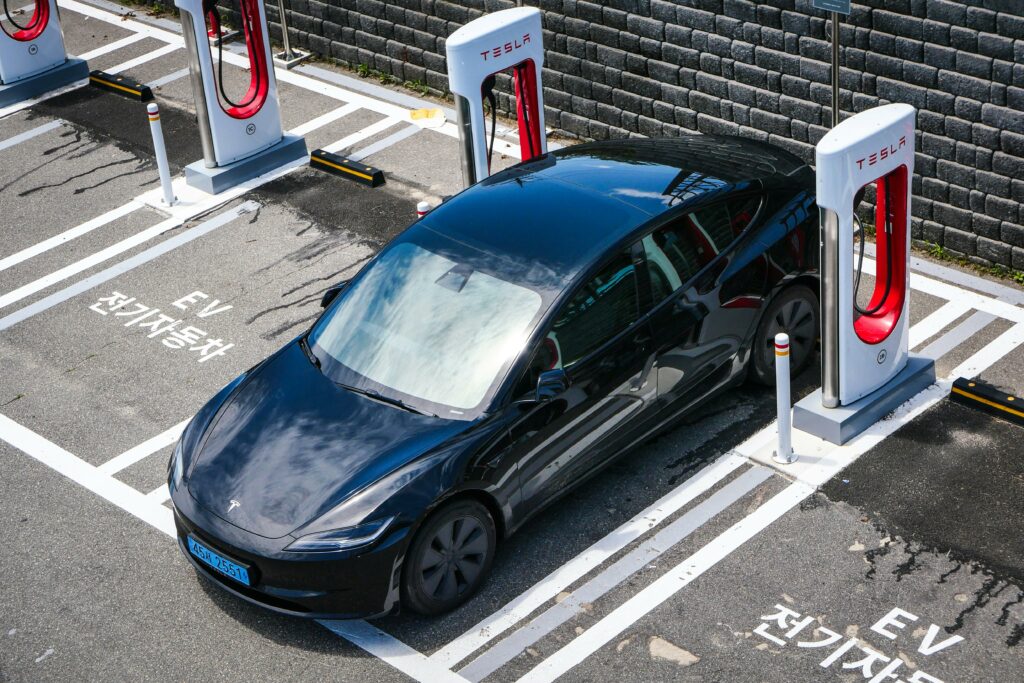
Source: https://www.pexels.com/photo/tesla-model3-27243718/
The future of transportation is rapidly changing, with electric vehicles (EVs) at the forefront of this shift. As the world faces mounting environmental challenges, including climate change and pollution, EVs are emerging as a key solution to reduce carbon emissions and promote sustainability. Governments, industries, and consumers alike recognize electric mobility’s benefits, driving the widespread adoption of EVs. In this article, we will explore how EVs impact the environment, economy, energy infrastructure, and the future of transportation.
The future of transportation is rapidly changing, with electric vehicles (EVs) at the forefront of this shift. As the world faces mounting environmental challenges, including climate change and pollution, EVs are emerging as a key solution to reduce carbon emissions and promote sustainability. Governments, industries, and consumers alike recognize electric mobility’s benefits, driving the widespread adoption of EVs. In this article, we will explore how EVs impact the environment, economy, energy infrastructure, and the future of transportation.
Environmental benefits and emissions reduction
One of the most significant advantages of electric vehicles is their ability to reduce greenhouse gas emissions. Unlike traditional vehicles powered by internal combustion engines, EVs produce zero tailpipe emissions, directly contributing to cleaner air and healthier living environments. Additionally, as the electricity grid becomes greener with more renewable energy sources such as wind and solar, the overall carbon footprint of EVs decreases further. This shift is crucial in combating global warming and meeting international climate targets. Moreover, less reliance on fossil fuels for transportation means a reduction in harmful pollutants like nitrogen oxides and particulate matter that degrade air quality.
Economic Opportunities and Industry Transformation
The rise of electric vehicles is also driving economic growth by creating new opportunities in technology, manufacturing, and energy sectors. Countries and companies investing in EV technology are seeing a surge in demand for new jobs in battery production, charging infrastructure, and vehicle development. Additionally, the automotive industry is transforming as traditional car manufacturers invest heavily in EV research and production to keep up with rising demand. This has also led to increased competition, which in turn accelerates technological advancements, reduces costs, and makes EVs more affordable for consumers. The growth of EVs is fostering innovation across sectors, from smarter charging solutions to improved energy storage capabilities.
Impact on Energy and Charging Infrastructure
As EV adoption increases, there’s a growing need for efficient charging infrastructure to support the shift. Governments and private enterprises are working hand in hand to expand the charging network, making it easier for people to charge their vehicles both at home and on the go. Innovations like fast charging stations and wireless charging are being developed to reduce charging times and enhance convenience. On a broader scale, the integration of EVs into the grid presents an opportunity for smarter energy management. EV batteries can act as storage units, helping to balance supply and demand in renewable energy systems and contributing to grid stability during peak consumption hours.
The growing popularity of electric vehicles (EVs) significantly influences the impact on energy and charging infrastructure. As EV adoption rises, managing a robust and efficient charging network becomes increasingly important. Fleet management systems are crucial in this context, providing tools to optimise the use of charging stations and ensure that energy resources are used effectively. By utilising advanced fleet management solutions, businesses can monitor vehicle performance, schedule charging times to avoid grid overload, and streamline maintenance, all of which contribute to a more resilient and sustainable energy infrastructure.
Challenges and Future Outlook:
Despite their numerous benefits, EVs still face several challenges. Battery technology, while rapidly improving, is still constrained by factors like limited range and the availability of raw materials like lithium and cobalt. Additionally, setting up a widespread and reliable charging infrastructure remains a significant hurdle, particularly in rural areas and developing nations. However, with governments and industries pushing for policies to accelerate EV adoption—such as subsidies, tax incentives, and strict emissions regulations—the future looks promising. In the next decade, we can expect to see further advancements in battery efficiency, longer driving ranges, and a more widespread charging network, making EVs even more accessible to the global population.
Conclusion: A Greener, Electrified Future
The electrification of vehicles represents a critical step towards achieving global sustainability goals. Electric vehicles not only help combat climate change by reducing emissions but also offer economic and energy benefits that can reshape industries and improve living conditions. As governments and businesses continue to invest in the development of EV technologies and infrastructure, the future of transportation is set to be cleaner, greener, and more efficient. By embracing EVs, we are driving towards a future where mobility is sustainable, affordable, and environmentally responsible—a future where the next generation can breathe cleaner air and enjoy a healthier planet.
Source: WSJ, NYTimes, Forbes, and the Guardian