Table of Contents
Introduction to Arattai
Arattai is an Indian instant messaging platform developed by Zoho Corporation, headquartered in Chennai, Tamil Nadu. The name “Arattai” means “chat” in Tamil, and the app is becoming popular as India’s privacy-focused alternative to WhatsApp and Telegram.
With 7.5 million+ downloads and rapid growth in 2025, Arattai is a leading homegrown app.
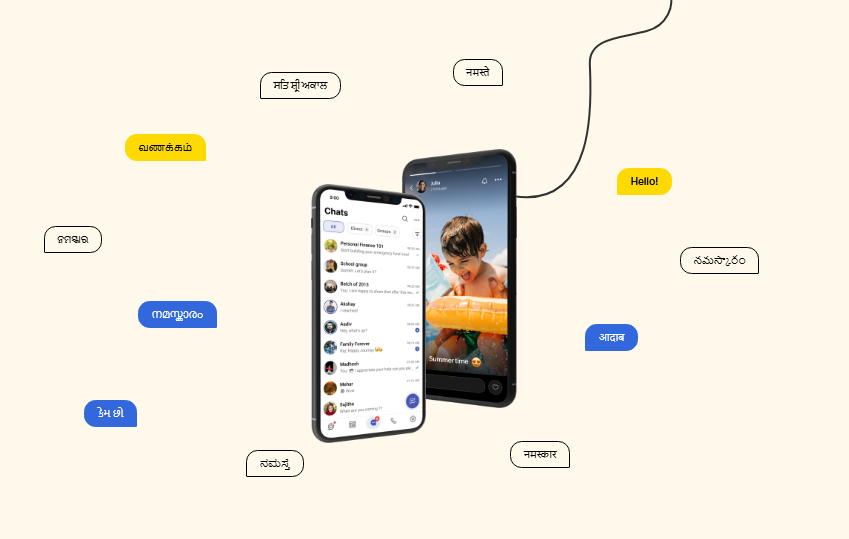
Arattai Apps Comprehensive Features and What They Are and Why They Matter
1. Cross-Platform Support
- What: Arattai works seamlessly across Android, iOS, desktop, and even Android TV.
- Why: This flexibility means users can stay connected regardless of device—crucial for today’s multi-device lifestyles. Arattai’s cross-platform technology ensures smooth handoff between your phone and computer, appealing to mobile professionals and everyday users alike.
2. End-to-End Encrypted Voice and Video Calls
- What: All voice and video calls on Arattai are protected with end-to-end encryption.
- Why: In a world where privacy and cyber threats are major concerns, this feature ensures that conversations remain strictly private and cannot be intercepted—making it ideal for both casual and sensitive business talks.
3. Large Group Chats & Broadcast Channels
- What: Arattai supports group chats with up to 1,000 members and lets you create channels for broadcasting updates to unlimited followers.
- Why: This high capacity is perfect for communities, businesses, and educational groups needing to engage a large, distributed audience. Channels make it easy to share announcements without cluttering users’ inboxes.
4. Rich Stories & Status Updates
- What: Users can share stories—photos, videos, or text—that disappear after 24 hours.
- Why: This adds a social, engaging touch similar to Instagram or WhatsApp, allowing users to update friends and family without permanent posts.
5. Meetings & Video Conferencing Integration
- What: Built-in video meetings and webinars—no need for Zoom or Google Meet.
- Why: Professionals can instantly switch from chat to face-to-face meetings, saving time and ensuring smooth business continuity. With remote work trends, this integration is a productivity booster.
6. Secure File Sharing (Up to 2GB)
- What: Send files, images, documents, or videos up to 2GB each.
- Why: This is a significant advantage for workgroups or students who frequently exchange large files, reducing the need for third-party services like WeTransfer or Google Drive.
7. Username-Based Communication
- What: No phone number required—users can chat by sharing usernames.
- Why: This boosts privacy, making Arattai suitable for public forums, educational settings, or when communicating with someone you don’t wish to reveal your phone number to.
8. Pocket Tool for Quick Saving
- What: “Pocket” lets users save messages, voice notes, and documents for later.
- Why: This feature helps keep chats uncluttered and supports quick reference, acting as a personal notepad or archive within the app.
9. Multi-Device Sync
- What: Real-time sync across all your devices.
- Why: You never lose the thread, whether switching from phone to PC or vice versa—crucial for both productivity and continuity.
10. Lightweight, Battery & Data Efficient
- What: Arattai app is optimized for fast loading, minimal battery drain, and low data use.
- Why: Key for Indian users in rural or lower-bandwidth areas, or anyone seeking a reliable messaging app that doesn’t exhaust their phone battery.
11. No Advertisements and Ad Tracking
- What: Ad-free user experience.
- Why: Unlike many global competitors, Arattai does not monetize via advertisements, making user privacy the top priority and ensuring a distraction-free chat environment.
12. Data Localization in India
- What: All data of Arattai app is stored on servers within India, compliant with Indian data protection laws.
- Why: Users concerned about foreign surveillance or privacy appreciate that their personal and business data never leaves the country.
13. Professional & Government Endorsement
- What: Used by Indian government bodies; integrates tightly with Zoho business tools.
- Why: This boosts trust and makes it a strong candidate for business, educational, and official communications.
Key Features
- Cross-platform: Android, iOS, desktop, Android TV
- Voice/video calls: High-quality, end-to-end encrypted
- Group chats: Up to 1,000 members
- Channels for announcements
- Stories (24-hour disappearing updates)
- Meetings integration (video conferencing)
- File sharing (up to 2GB)
- Pocket tool (save links/messages)
- Username chat (no phone required)
- Multi-device sync
Advantages/Pros
- Data stored in Indian servers (digital sovereignty)
- No ads or tracking
- Government support and endorsement
- Optimized for low-end devices & slow connections
- Fast and lightweight, battery friendly
- Large file sharing
- Direct chat via username
- Spyware-free
- Professional integration with Zoho tools
Disadvantages/Cons
- Text messages not end-to-end encrypted (calls only)
- Smaller user base than global competitors
- Limited integrations (mainly Zoho ecosystem)
- Basic compared to WhatsApp/Telegram
- Privacy: Messages stored on Zoho servers
- Bugs/group management issues reported
- Still in development, features evolving
Why Arattai is Important
- Supports India’s tech ecosystem, “Atmanirbhar Bharat”
- Fosters digital sovereignty, data localization
- Reduces reliance on foreign apps
- Market appetite for Indian alternatives
- Government and media attention drives adoption
Conclusion
Arattai is a milestone in India’s tech independence. Despite limited encryption and a smaller user base, its rapid growth, local data hosting, and government support make it a key player. As the app matures, it will be crucial for Zoho to address privacy and expand features to ensure continued success for users who value Indian tech and sovereignty.