Table of Contents
Remember the clunky, text-heavy websites of the early internet? Web design has come a long way, constantly evolving alongside the ever-changing technological landscape. Today, we’re on the cusp of another exciting revolution: the powerful integration of Artificial Intelligence (AI) into web design.
This article dives into the world of AI-powered web design, exploring how it’s transforming the way we create websites. We’ll cover the impact AI has on user experience (UX), making websites not just visually stunning, but also incredibly user-friendly and engaging.
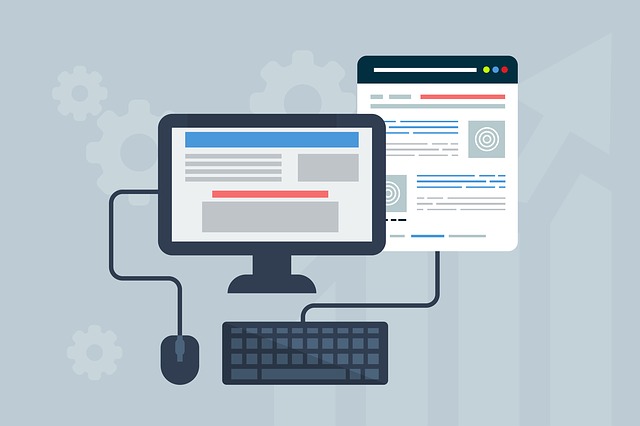
Image source: https://pixabay.com/illustrations/web-design-user-interface-website-3411373/
Understanding AI in Web Design
Before we dive into the amazing applications of AI in web design, let’s take a quick pit stop to understand the key terms you’ll encounter. Don’t worry, this won’t be a snoozefest filled with technical jargon.
- Artificial Intelligence (AI): What is Artificial Intelligence? Think of AI as super-smart computer programs that can learn and improve over time. In web design, AI helps analyze data, identify patterns, and even generate creative ideas—all to make your website the best it can be.
- Machine Learning: This is a type of AI where programs learn from data without being explicitly programmed. In web design, machine learning analyzes user behavior on your website, recommending ways to improve navigation, content placement, and overall user experience.
- Natural Language Processing (NLP): This allows AI to understand and respond to human language. In web design, NLP can power chatbots that answer visitor questions, personalize content based on user preferences, and even generate website copy that resonates with your target audience.
These are just a few examples, and the world of AI in web design is constantly expanding. By understanding these basic concepts, you’ll be well-equipped to harness the power of AI and create websites that are both beautiful and user-friendly.
Improving User Experience with AI
One of the most exciting aspects of AI in web design is its ability to personalize the user experience. Gone are the days of one-size-fits-all websites. With AI, your website can morph and adapt to each visitor, creating a journey as unique as they are. Here’s how AI personalizes the experience:
- Understanding User Behavior: AI analyzes user data, like browsing history and clicks, to understand what resonates with each visitor. Think of it like having a super-powered analytics tool that goes beyond basic numbers. AI can identify patterns and trends, allowing you to tailor content, product recommendations, and even the overall layout to better suit their interests.
- Dynamic Content Delivery: Using the insights gleaned from user data, AI can dynamically adjust the content a visitor sees. For example, an e-commerce store might showcase different product categories based on a user’s previous browsing behavior. Someone looking at athletic wear might see targeted ads for running shoes or workout gear, while someone browsing the homeware section might see recommendations for cozy blankets or stylish throw pillows.
- Conversational Interfaces: AI-powered chatbots can answer visitor questions in real-time, offering immediate support and guidance. These chatbots can even personalize their responses based on the user’s conversation history, providing a more helpful and engaging experience.
AI-Driven Design Elements
AI isn’t just about personalizing content; it’s also playing a growing role in shaping the visual landscape of web design. Here’s how AI is influencing the design elements we see:
- Smart Layouts and User Flows: AI can analyze user behavior patterns to understand how visitors navigate a website. This data can then be used to create layouts that are intuitive and foster a smooth user flow. AI can be your secret weapon for crafting a website that’s easy to navigate, keeping visitors engaged and focused on your call to action.
- AI-powered Color Schemes and Image Selection: AI can analyze color trends and user preferences to suggest color palettes that resonate with your audience. Similarly, AI can analyze vast image databases to select visuals that perfectly complement your website’s design and message. This ensures a cohesive visual experience that not only looks great but also aligns with your brand identity.
- Responsive and Adaptive Design on Autopilot: Creating responsive websites that seamlessly adapt to different screen sizes can be a time-consuming task. AI can streamline this process by analyzing your website’s content and suggesting optimal layouts for various devices. This ensures a flawless user experience, no matter how visitors choose to access your website—desktop, tablet, or mobile phone.
Harnessing AI Responsibly
While AI offers a treasure trove of benefits for web design, it’s important to approach this technology with a critical eye. Here are some key considerations to keep in mind:
- Bias and Fairness: AI algorithms are only as good as the data they’re trained on. When this data is biased, it can lead to discriminatory experiences on websites. For instance, if an AI system tailors content using gender stereotypes, it might inadvertently restrict the choices available to users. To prevent such issues, it’s crucial to train your AI tools with datasets that are both diverse and inclusive.
- Privacy and Data Security: AI depends a lot on user data to work well. It’s important to be clear with users about how their data is gathered, what it’s used for, and how it’s kept safe. Implement strong data security measures and outline your privacy policy to build trust.
- Human Expertise Remains Essential: AI shouldn’t replace human creativity and problem-solving skills in web design. The ideal scenario involves a collaborative approach, where AI augments human expertise. Designers can utilize AI to streamline tasks such as optimizing layouts and analyzing data, allowing them to concentrate their creative talents on developing distinctive and captivating experiences.

Image source: https://www.pexels.com/photo/crop-unrecognizable-businesswoman-typing-on-laptop-at-home-4050216/
The Future of Web Design is Intelligent
Keep in mind that while AI is an impressive tool, it’s just one part of the bigger picture. The best results come from a collaborative approach, where human creativity meets the intelligence of AI. So, are you now prepared to dive into the future of web design? By combining a well-planned strategy with the support of AI, you can create websites that not only stand out but also truly reflect the essence of your brand.