Table of Contents
The pull to refresh a home setup with newer gadgets shows up often, especially when a phone slows down, a television starts looking dated, or a laptop struggles with everyday tasks. The problem is that chasing every shiny release drains a bank account faster than the technology improves in any meaningful way. A smarter approach treats the upgrade as a project with a plan, a budget, and a clear sense of what genuinely needs replacing versus what only feels old. Done well, the result is a sharper, faster, more enjoyable home setup without the financial regret that usually follows impulse buying.
Funding the Upgrade with What You Already Have
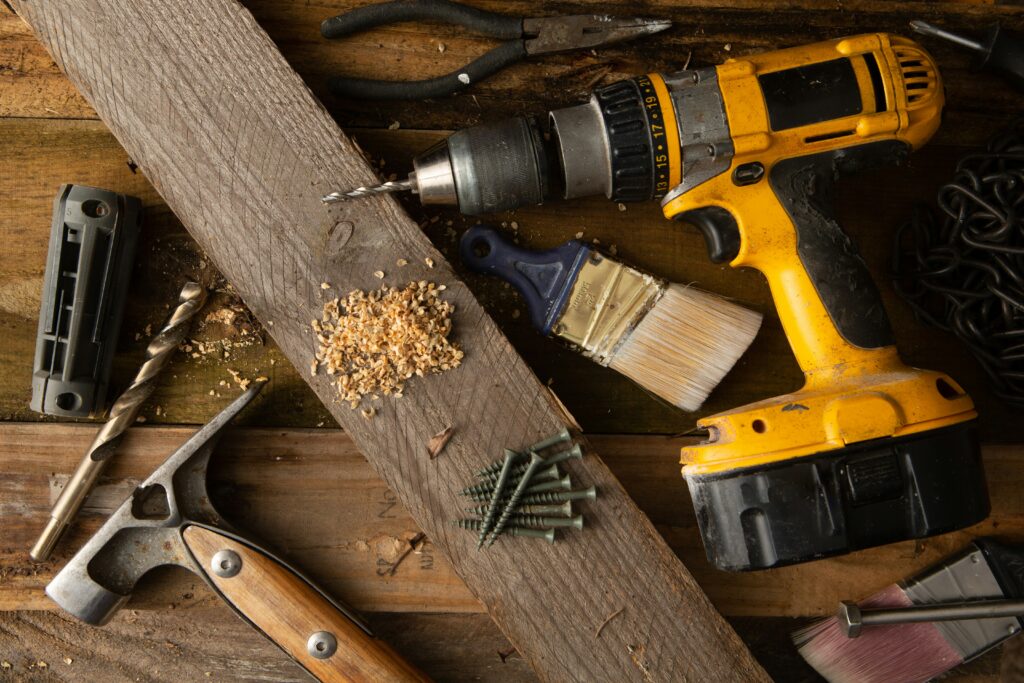
A common roadblock for anyone planning a tech refresh is the simple lack of spare cash to put toward new gear. Savings stay tied to bills, emergencies, and other commitments, which leaves the upgrade stuck in the planning stage for months. A useful step is to check out an online resource where people sell power tools for cash and walk away with same-day payouts after a quick inspection. Items sitting unused in a garage or storage closet often hold more resale value than people expect, especially when they remain in working condition with their original accessories. Clearing out what no longer gets used turns idle inventory into real funding for the next phase of the upgrade.
Auditing the Setup Before Buying Anything
Most overspending begins with the wrong question, which is what to buy rather than what to replace. A short audit of every device in the home reveals which gadgets still perform well, which ones limp along, and which ones quietly go unused for months. The router that constantly drops a signal deserves attention. The streaming stick that hangs on every menu deserves attention. A perfectly capable tablet that simply lost its novelty does not. Writing the audit down on paper makes the difference between an upgrade plan and a wish list.
Choosing Refurbished Over Brand New
The gap between a refurbished gadget and a brand new one has shrunk to the point where the price difference is the only meaningful distinction. Manufacturers and certified resellers inspect, repair, and test returned units before listing them again, often with a warranty attached. A refurbished tablet, monitor, or pair of headphones can offer the same daily experience for noticeably less money. The key is sticking with sellers that disclose the unit’s grade, offer a clear return window, and provide some form of coverage. Skipping the warranty for a tiny extra discount almost always ends in regret.
Letting the Network Do the Heavy Lifting
A surprising amount of frustration blamed on aging devices actually traces back to the network underneath them. Video calls stutter, streams buffer, and smart devices drop offline when the signal cannot keep up. Investing in a capable router and a mesh node for any dead corner of the home often makes the existing gadgets feel newer than they are. The improvement carries across every screen in the house, which makes it one of the highest-return moves in any upgrade plan. A wired connection to a desk or media console adds another layer of reliability for very little cost.
Upgrading the Pieces You Touch Most
A home setup contains a small group of items that get used every single day and a much larger group that barely sees attention. Pouring money into the second group rarely pays off, while a careful upgrade to the first group changes daily life immediately. A keyboard that feels good under the fingers, a chair that supports a long workday, a monitor that reduces eye strain, and a pair of headphones that fit comfortably for hours will quietly improve far more hours than a flashier gadget tucked into a corner. Focus on touchpoints and the upgrade pays back every day.
Picking Smart Add-Ons That Multiply Value
A small accessory often outperforms a major new purchase. A docking station turns a laptop into a full desk setup. A streaming device breathes new life into an older television. A quality microphone makes a years-old webcam sound professional. These add-ons cost a fraction of a full replacement while delivering most of the practical benefit. Treating accessories as serious upgrades rather than afterthoughts opens up an entire layer of improvement that fits comfortably within almost any budget.
Skipping the Generations That Add Nothing
Manufacturers release new models on a predictable cycle, but the meaningful changes do not arrive every year. A phone two generations old often handles every daily task without complaint. A television released three years back still delivers a clean picture for most viewing habits. Identifying which generational jumps actually matter, and which ones simply refresh the design language, prevents a lot of unnecessary spending. The upgrade that genuinely improves daily life is worth pursuing. The one that only changes a logo or a slightly trimmed bezel is not.
Timing Purchases Around the Right Moments
The same gadget rarely costs the same amount throughout the year. Major shopping events, end-of-quarter clearances, and the quiet weeks right after a new model launches all bring noticeable drops in price on last year’s hardware. Building a short watchlist of the items flagged in the audit, then waiting for one of these windows, often turns a stretched budget into a comfortable one. Patience tends to outperform urgency in nearly every category of home tech, and the few weeks of waiting rarely cost anything in real daily life.
Stretching the Upgrade Across Several Months
The fastest way to blow a tech budget is to attempt every replacement in a single weekend. Spreading the upgrade across several months allows each purchase to settle in, exposes any issues before the next decision, and gives prices time to drop on items that are not urgent. The audit done at the start becomes the roadmap, and each step builds toward a setup that feels intentional rather than rushed. A patient upgrade ages far better than a hurried one, and the savings along the way often fund an extra piece that would not have fit into the original plan.