

Table of Contents

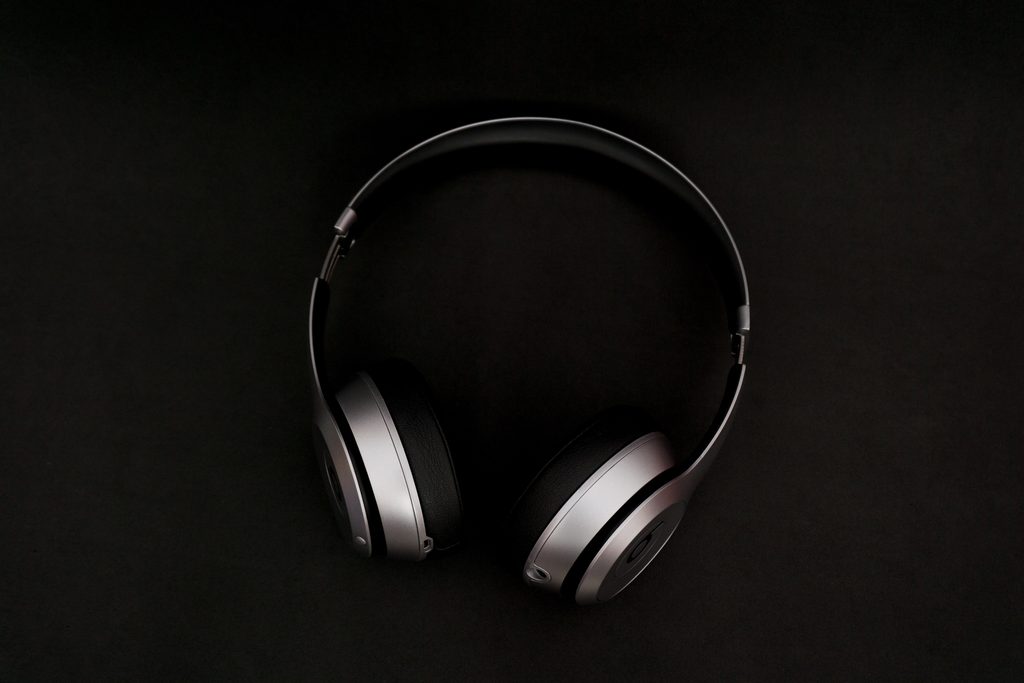
In an increasingly noisy world, the demand for noise-cancelling headphones has soared. These devices have become essential for numerous daily activities, whether you’re a frequent traveller looking to escape the drone of aircraft engines or someone working in a bustling office environment. The noise-cancelling headphones provide an effective way to minimise distractions and create a more focused listening experience in a variety of everyday settings. The key allure lies in their ability to significantly reduce ambient noise without compromising sound quality, thereby creating an oasis of serenity amidst chaos.
How Noise-Cancelling Headphones Work
Noise-cancelling headphones operate using sophisticated technology designed to mitigate unwanted ambient sounds. There are generally two types of noise cancellation: passive and active. Passive noise cancellation involves physical barriers to muffle external sounds, such as well-crafted ear cups with layers of sound-absorbing materials. Active noise cancellation (ANC) takes this a step further by employing advanced electronics.
ANC works by using microphones that pick up external environmental sounds. The headphones’ electronic circuitry then processes this sound and generates a “counter-signal” – essentially a sound wave with an inverted phase. When the original sound wave encounters its inverted counterpart, they cancel each other out, reducing unwanted noise. This creates the impression of a much quieter environment, allowing the listener to enjoy their music or podcasts without interruption.
The Role of Digital Signal Processing
Integral to the functionality of noise-cancelling headphones is Digital Signal Processing (DSP). This technology allows the headphones to adapt to different environments, dynamically adjusting the level of noise cancellation required. DSP enables these headphones to discern predictable patterns from irregular noises, such as the persistent hum of an engine compared to random conversation. This adaptability is crucial for using headphones in varying acoustic situations, enhancing their versatility and convenience.
Advancements in Battery Technology
Noise-cancelling headphones are heavily reliant on battery technology, as the active electronic components require power to function. Recent developments in battery efficiency and power management software have made it possible for these headphones to offer extended periods of usage on a single charge. Manufacturers are constantly improving battery life without sacrificing comfort or adding weight, a crucial factor for users who value portability and long-lasting performance.
Comfort and Ergonomics
Design and ergonomics play an equally important role in the satisfaction provided by noise-cancelling headphones. Ideally, a pair of headphones should provide a snug fit without causing discomfort over prolonged periods. Innovative design techniques, such as memory foam padding and adjustable headbands, ensure that these headphones cater to diverse user preferences. Lightweight materials reduce the strain on the head and ears, making them suitable for long hours of use.
Trends in Wireless Technology
With the proliferation of wireless technology, many noise-cancelling headphones now feature Bluetooth connectivity, liberating users from the constraints of cables. The elimination of wires not only enhances mobility but also reduces the risk of physical damage. Advanced Bluetooth codecs ensure that the sound quality remains uncompromised, even when transmitted wirelessly. As wireless technology continues to evolve, these headphones are expected to become even more reliable and efficient in their connectivity.
The Influence of AI and Machine Learning
Artificial intelligence and machine learning are shaping the future of noise-cancelling headphones. By incorporating AI, some models can automatically adjust sound profiles based on real-time analysis of the user’s environment and usage patterns. Such intelligent adaptation ensures optimal performance across different scenarios, whether you’re in a crowded airport or a silent library. Machine learning algorithms can also learn user preferences over time, tailor-fitting the listening experience to individual tastes.
New Frontiers in Acoustic Transparency
While the primary aim of noise-cancelling headphones is to block out noise, there is an increasing interest in incorporating acoustic transparency. This feature allows users to hear certain ambient sounds, such as an approaching vehicle or a nearby conversation, without removing their headphones. Acoustic transparency is achieved through careful manipulation of the ANC technology, allowing a balanced integration of ambient noise for safety and situational awareness.
Environmental Considerations
In a world increasingly conscious of environmental impact, manufacturers are making strides toward producing more sustainable noise-cancelling headphones. This includes the use of eco-friendly materials, as well as enhancing the recyclability of components. Energy-efficient design strategies reduce battery waste and promote longer product life cycles. Such initiatives align with global sustainability goals, reducing the ecological footprint of personal audio devices.
Addressing Hearing Health
Extended use of headphones raises concerns around hearing health. Noise-cancelling headphones contribute positively by allowing users to listen to audio at lower volumes, thus preserving hearing by protecting against audio overexposure. Additionally, some models incorporate features that monitor sound exposure and provide alerts if listening habits might pose a risk to hearing health over time.
Market Trends and Consumer Preferences
Consumer preferences in the noise-cancelling headphone market continue to evolve, fuelled by technological advancements and a greater knowledge of audio quality. The market is becoming inundated with diverse options catering to different demographics, from audiophiles demanding high-fidelity sound to casual listeners seeking optimal bang for their buck. The adoption rate suggests a broader acceptance of these technologies as they transition from luxury items to everyday necessities.
Noise-Cancelling Innovations in Different Sectors
The application of noise-cancelling technology extends beyond consumer headphones. In aviation, pilots use specialised headsets to communicate clearly amidst high ambient noise levels. Meanwhile, in construction and industrial sectors, protective headphones guard workers’ hearing while enabling communication. This widespread utility underscores the critical role noise-cancelling technology plays across various industries.
As the technology behind noise-cancelling headphones continues to advance, the possibilities for future innovations seem boundless. Enhanced audio experiences, smarter integration across devices, and sustainable production methods are on the horizon, promising an exciting evolution in personal audio technology. More information about the latest offerings can be found on noise-cancelling headphones.
Conclusion
The evolution of headphones has transformed them from simple listening devices into sophisticated personal audio systems that combine sound quality, comfort, connectivity, and intelligent technology. Noise cancellation, digital signal processing, wireless connectivity, AI-driven adjustments, and acoustic transparency have expanded what users can expect from modern headphones. At the same time, advances in battery efficiency, sustainable materials, ergonomic design, and hearing-health features are helping shape a more practical and responsible future for personal audio. As these technologies continue to develop, headphones are likely to become even more adaptable, immersive, and closely integrated with everyday life, offering users greater control over how they experience sound in a wide range of environments.