

Table of Contents

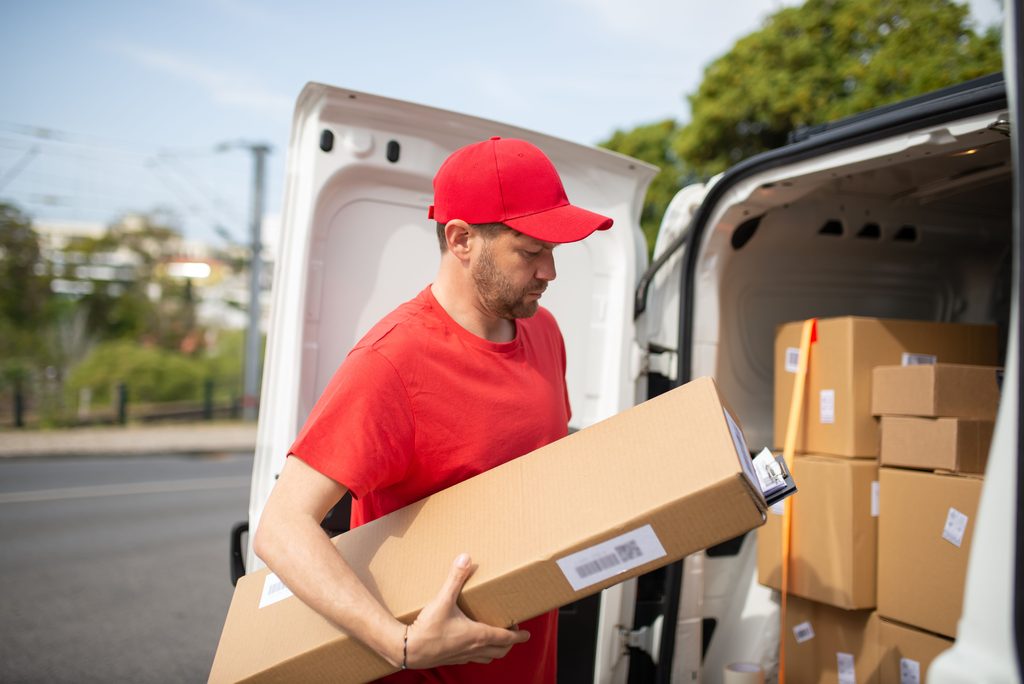
Delivery operations involve more than moving products from one location to another. Every order creates a chain of decisions involving vehicle capacity, driver availability, delivery windows, traffic, fuel consumption, and customer requirements. When these decisions are handled manually, small inefficiencies can quickly become expensive.
Digital tools help delivery businesses replace guesswork with structured data. They can automate route planning, improve communication, track vehicles, and provide managers with measurable performance data.
Route Planning and Optimization Software
Route planning is one of the most important areas for delivery businesses to digitize. A manual route may look logical on a map but still create unnecessary mileage because it does not account for all operational constraints.
A delivery route maker can help businesses organize multiple stops into more efficient sequences. Route optimization software can consider factors such as:
- Delivery addresses and stop locations
- Driver availability and working hours
- Vehicle capacity
- Customer delivery windows
- Service time at each stop
- Distance and estimated travel time
The technical benefit is the ability to solve a vehicle routing problem using defined constraints rather than relying on intuition. Instead of simply finding the shortest distance, modern systems can prioritize an overall route that balances mileage, time, capacity, and service requirements.
This matters because last-mile delivery is one of the most expensive parts of logistics. Verizon Connect notes that industry estimates put last-mile delivery at roughly 41% of total logistics costs.
Fleet Tracking and Telematics
Route planning determines where vehicles should go. Telematics shows what is actually happening on the road.
Fleet tracking systems use GPS data to monitor vehicle locations, movement, stops, and route deviations. More advanced telematics platforms can also collect information about speed, idling, harsh braking, fuel consumption, and vehicle diagnostics.
This data gives fleet managers a clearer view of operational performance. For example, excessive idling can indicate wasted fuel or delays at specific delivery points. Frequent route deviations may show that planned routes do not reflect real road conditions.
Historical tracking data is also useful. Managers can compare planned mileage against actual mileage and identify routes that consistently require more time than expected.
Electronic Proof of Delivery
Paper-based delivery records create unnecessary administrative work. Drivers must complete forms, customers may need to sign them, and office staff then have to enter the information into another system.
Electronic proof-of-delivery tools replace this process with digital records. Depending on the platform, drivers can capture signatures, photographs, timestamps, GPS coordinates, and delivery notes from a mobile device.
These records improve traceability. If a customer disputes a delivery, staff can review the transaction without searching through physical paperwork.
Digital records also support faster invoicing. Once a delivery is confirmed, the information can move into the next stage of the workflow without waiting for paperwork to return to the office.
Inventory and Order Management Systems
Delivery efficiency starts before a vehicle leaves the depot. Poor inventory data can cause incorrect orders, missing items, and unnecessary return trips.
An inventory management system provides visibility into stock levels and product locations. When integrated with an order management platform, it can help ensure that delivery teams receive accurate information before loading vehicles.
Useful capabilities include:
- Real-time stock updates
- Barcode or QR-code scanning
- Automated reorder points
- Order status tracking
- Warehouse location management
Integration is particularly important. A delivery team should not have to manually transfer order information between several systems. APIs and native integrations can synchronize data between ecommerce platforms, warehouse software, accounting systems, and delivery applications.
Customer Communication and Tracking
Customers want clear information about when an order will arrive. Delivery notifications can reduce inbound calls and make delays easier to manage.
Customer communication tools can automatically send order confirmations, dispatch notifications, estimated arrival times, and delivery confirmations. Some platforms also provide live tracking pages.
This information becomes more useful when it is connected to the actual delivery operation. If a driver is delayed, the estimated arrival time can be updated rather than leaving the customer with outdated information.
Accurate communication also helps delivery teams. Customers who know when to expect a driver are more likely to be available when the vehicle arrives, reducing failed delivery attempts.
Analytics and Performance Dashboards
Digital delivery systems generate large amounts of operational data. Businesses should use that data to identify recurring problems.
A useful dashboard can track metrics such as:
- Cost per delivery
- Stops completed per driver
- On-time delivery rate
- Average route duration
- Fuel consumption
- Failed delivery rate
- Actual versus planned mileage
These metrics should be reviewed together. A route with low mileage is not necessarily efficient if it produces late deliveries or excessive service time.
The data can also support continuous optimization. Managers can identify underperforming delivery areas, compare drivers and routes, and adjust schedules based on historical demand.
Choosing the Right Delivery Technology
The most effective technology stack depends on the size and complexity of the operation. A small local courier may need route planning, proof of delivery, and basic tracking. A larger fleet may require telematics, warehouse integration, automated dispatch, and advanced analytics.
The goal should not be to purchase the most software. It should be to remove specific operational bottlenecks.
Start by measuring the current process. Record mileage, delivery times, failed attempts, fuel consumption, and administrative hours. Then introduce tools that address the largest sources of waste.
Delivery efficiency improves when planning, execution, and measurement work together. With the right digital systems, businesses can reduce avoidable mileage, improve driver productivity, increase delivery visibility, and make operational decisions using reliable data rather than assumptions.