

Table of Contents

Public safety has entered a new phase shaped by rapid digital growth. Cities, agencies, and communities now rely on technology to prevent threats, respond faster, and protect lives more effectively. From real-time data sharing to smart surveillance systems, modern tools help public safety teams make informed decisions under pressure. These advancements do more than improve efficiency. They change how societies anticipate risks and manage emergencies.
However, technology alone does not guarantee safety. The way professionals apply these tools matters just as much as the tools themselves. Ethical use, proper training, and strong oversight remain essential.
This article outlines key technology-driven solutions shaping public safety today and explains how education, planning, and accountability guide their responsible use.
The Role of Digital Transformation in Modern Public Safety
Digital transformation has reshaped how public safety agencies operate and respond to risks. Traditional approaches relied heavily on manual reporting, delayed communication, and limited data access. Today, digital platforms allow agencies to collect, analyze, and share information in real time. This shift helps teams identify threats earlier and act with greater precision. Technology supports faster emergency response, improves coordination, and reduces uncertainty during critical moments.
Modern public safety strategies now focus on prevention as much as response. Predictive tools, connected systems, and centralized data platforms enable agencies to plan ahead instead of reacting after incidents occur. This proactive approach reduces harm, saves resources, and builds stronger community trust.
Why Education Matters in Responsible Public Safety Technology Use
Technology brings powerful capabilities, but its impact depends on how professionals use it. Public safety systems require leaders who understand both the technical and human consequences of digital tools. Education plays a central role in developing that balance. Trained professionals know how to interpret data correctly, apply technology within legal boundaries, and respect ethical standards.
Programs such as a bachelor’s in homeland security and emergency management prepare individuals to manage public safety technology responsibly. These programs combine policy, risk assessment, and technology awareness to create informed decision-makers. Graduates learn how to evaluate threats, oversee digital systems, and ensure that technology supports public safety goals without overreach. Education also promotes accountability, which remains essential as technology becomes more embedded in daily safety operations.
Smart Surveillance Systems and Community Protection
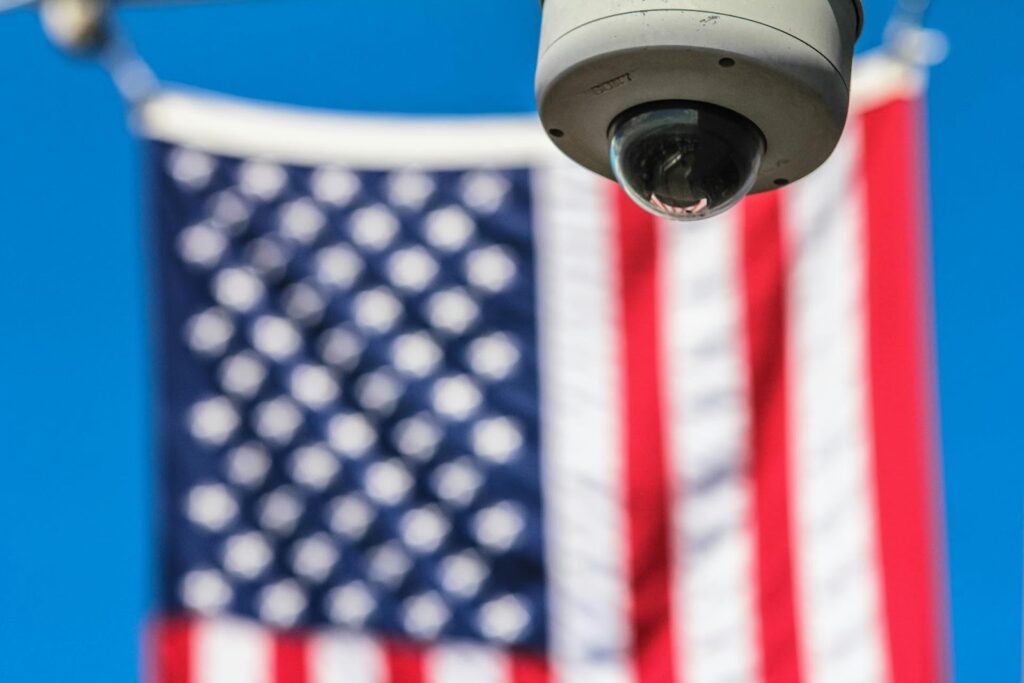
Smart surveillance systems have become a key part of public safety infrastructure. Cameras paired with analytics software help monitor high-traffic areas, detect unusual activity, and support investigations. These systems improve situational awareness and allow quicker responses to potential threats. When used correctly, surveillance technology strengthens community protection and deters criminal activity.
However, responsible use remains critical. Agencies must establish clear guidelines that define when and how surveillance tools operate. Transparency with the public helps maintain trust and ensures that safety efforts do not infringe on individual rights. Community engagement and oversight help align surveillance practices with shared values while maintaining effective protection.
Data Analytics for Predicting and Preventing Threats
Data analytics allows public safety teams to move beyond guesswork. By examining patterns across incidents, locations, and timeframes, agencies can identify emerging risks. This insight supports better deployment of resources and targeted prevention strategies. For example, analyzing response times and incident frequency helps planners adjust staffing and coverage.
Accurate data use requires careful management. Professionals must ensure data quality and avoid biased interpretations. Clear standards and regular reviews help maintain reliability. When applied responsibly, analytics strengthen decision-making and support long-term safety planning without compromising fairness.
Artificial Intelligence in Emergency Response Planning
Artificial intelligence supports emergency planning by processing large volumes of information quickly. AI tools can simulate scenarios, forecast resource needs, and assist with logistics during disasters. These capabilities help teams prepare for complex emergencies and adapt plans as conditions change.
Despite its benefits, AI does not replace human judgment. Public safety professionals must oversee AI-driven insights and validate outcomes before action.
Communication Technology and Interagency Coordination
Effective communication sits at the center of public safety operations. Digital communication platforms now allow agencies to share information instantly across departments and jurisdictions. Secure networks support real-time updates during emergencies, helping police, fire services, medical teams, and government agencies stay aligned. This coordination reduces confusion and allows faster decision-making when time matters most.
Modern systems also support shared dashboards and incident management tools. These platforms give all responders access to the same information, which limits errors and delays. Strong communication technology improves accountability and ensures that each agency understands its role. As emergencies grow more complex, coordinated communication strengthens outcomes and protects both responders and the public.
Cybersecurity as a Public Safety Priority
Public safety systems depend on digital infrastructure, which makes cybersecurity a critical concern. Emergency communication networks, transportation systems, and public databases face constant exposure to cyber threats. A breach can disrupt essential services and put lives at risk. Protecting these systems requires ongoing monitoring and strong security practices.
Cybersecurity also involves people, not just technology. Public safety teams need training to recognize threats and respond quickly. Clear protocols help agencies limit damage and restore operations when incidents occur. Treating cybersecurity as part of public safety planning ensures resilience in an increasingly connected environment.
Drones and Robotics in High-Risk Situations
Drones and robotics reduce risk during dangerous operations. These tools assist in search and rescue missions, disaster assessments, and surveillance of hazardous areas. By collecting visual data and accessing hard-to-reach locations, drones provide valuable information without placing responders in harm’s way.
Robotic tools also support bomb disposal and structural inspections after emergencies. Their use improves safety and efficiency while expanding operational reach. Proper training and oversight remain essential to ensure these tools serve clear public safety purposes and operate within legal boundaries.
Ethical Challenges in Technology-Driven Public Safety
As technology expands, ethical challenges grow alongside it. Surveillance, data collection, and AI tools raise concerns about privacy and misuse. Public safety agencies must address these issues through clear policies and accountability measures. Ethical frameworks guide professionals in balancing safety needs with individual rights.
Public involvement strengthens ethical decision-making. When communities understand how technology operates, trust improves. Transparency and oversight help prevent overreach and ensure that public safety goals align with shared values. Ethical responsibility remains a constant requirement, not a one-time consideration.
Public safety technology will continue to advance, but its true impact depends on human choices. Agencies that prioritize accountability, ethics, and collaboration create systems that adapt without losing public trust. Progress in this field requires ongoing reflection and commitment. By shaping technology around responsibility rather than speed alone, public safety efforts can evolve with confidence in a digital world.