

Table of Contents

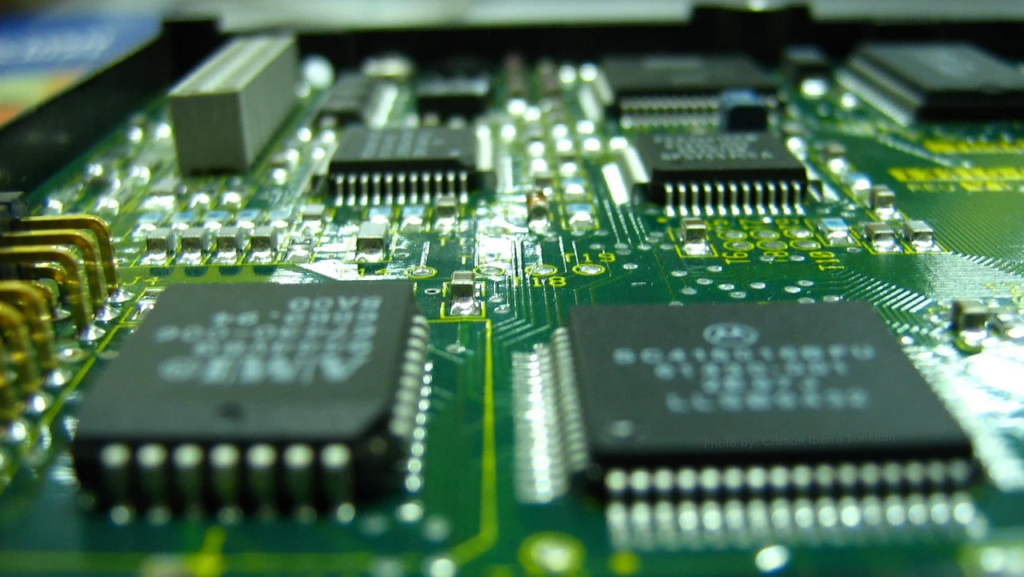
Technology advances fast, and so does the trade of memory hardware. Many companies regularly upgrade servers, data centers, and devices, leaving a surplus of valuable components. However, selling such equipment involves more than finding a buyer and making a quick deal. Data exposure, legal liability, and brand trust are all on the line. A single misstep can cost far more than the revenue from the sale itself.
A clear process ensures protection from internal risk. This starts with understanding that every component, whether RAM, flash modules, or storage cards, might still hold sensitive data traces. Before organizations decide to sell memory, it’s essential to recognize that risk control begins before the sale, not after.
Establishing a Secure Hardware Disposition Strategy
Every transaction must begin with a defined policy. A secure hardware disposition strategy outlines how each asset moves from active use to decommissioning and finally to resale or recycling. When this strategy is missing, teams might act without consistent checks, leaving vulnerabilities open.
Key steps should include:
- Inventory Documentation: Keep a detailed list of all components, including serial numbers, capacities, and previous system associations.
- Chain of Custody: Track every handoff from internal departments to external buyers or recyclers.
- Data Sanitization Proof: Always demand verifiable certificates confirming that data has been wiped to industry standards.
Such measures eliminate uncertainty and provide evidence of compliance with privacy regulations.
Data Sanitization Standards That Eliminate Doubt
Data removal is more than deleting files. True sanitization adheres to standards like NIST 800-88 or DoD 5220.22-M. These guidelines define secure overwriting, degaussing, or destruction methods to guarantee that confidential information can never be recovered.
Firms that ignore these protocols risk having data leaked through resold or improperly wiped memory. Partnering with certified service providers ensures that these standards are upheld. Reliable partners also maintain audit-ready reports, ensuring full transparency during regulatory reviews.
Choosing Trusted Partners for Safe Transactions
Selecting a partner for resale requires due diligence. Every organization claiming to handle IT asset disposition securely should provide:
- Industry certifications such as R2v3 or e-Stewards
- Transparent logistics and disposal records
- Insurance coverage against accidental data loss
- Environmentally responsible recycling practices
These credentials show that the partner values long-term reputation and legal compliance as much as profit. Transparent processes reduce exposure to risks like data theft or unauthorized resales.
Technical Evaluation and Hardware Verification
Before resale, memory hardware must undergo a thorough technical assessment. Testing confirms that each component functions correctly and meets resale-grade conditions. This stage ensures that the hardware performs reliably for new users and that no tampered or counterfeit parts enter circulation.
Key aspects of technical verification include:
- Module integrity checks
- Firmware and compatibility validation
- Power cycle and read/write performance testing
Performing these steps prevents damaged hardware from being mislabeled as functional, maintaining brand credibility and reducing refund risks.
Best Practices to Minimize Internal Risk
Reducing risk means more than erasing drives. The entire workflow, from identification to final resale, should have documented approval at each step. Clear communication among IT, finance, and compliance teams prevents accidental release of assets that still contain protected data.
When businesses sell memory, the objective is to create a repeatable, secure, and verifiable system. A methodical approach ensures that resale activities generate value while protecting operational integrity. Training employees on internal data handling and maintaining vendor transparency adds another layer of safety.
Security, documentation, and partner reliability form the foundation of risk-free hardware transactions. The goal is to recover value without exposing internal systems or client data. When organizations follow structured processes and uphold industry standards, they safeguard both information and reputation. Proper preparation transforms what could be a liability into a profitable and trustworthy operation.