Table of Contents
Artificial intelligence writing tools continue to reshape today’s digital landscape. These applications use advanced machine learning and natural language processing to analyse linguistic patterns and sentences to verify if they are human-generated or robotic.
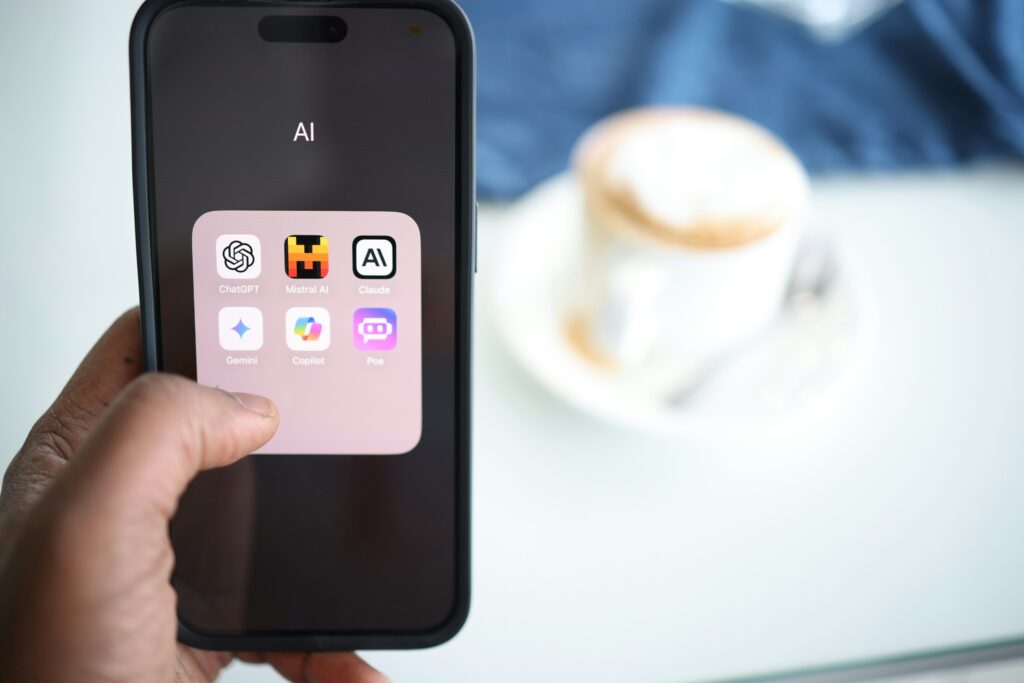
AI apps, such as Chatgpt, are now widely used by students, editors, content creators, and other professionals to draft documents. To check whether a piece of text is partially or entirely generated by AI, you can run it through a powerful AI text detector, such as Walter AI Writes.
Maintaining brand authenticity and trustworthiness is critical for success in the publishing industry, which is why many educational institutions now leverage AI text detector tools to review student essays and other academic documents.
How an AI Text Detector Works
AI text detectors are programs designed to check if written content is robotically generated or not. They are mainly used by colleges and news publishing organisations to ensure brand integrity. The past few years have seen generative AI systems revolutionise the writing industry in unprecedented ways. Understanding how AI detectors work is essential for getting the most out of them. Open AI’s popular chatbot, ChatGPT, relies on pre-published online content to produce suitable responses to queries. The advent of new generative AI systems creates significant risks for many organisations, especially those in the academic industry.
AI detector models often look for perplexity and burstiness in a text to confirm if it’s human-written or not.
The lower the two key variables, the higher the probability that the input is AI-generated. Perplexity refers to the predictability of a piece of content and its potential to confuse the average reader or sound unnatural. Most AI language models tend to create texts with limited perplexity. If a document makes little sense or is difficult to read, it’s likely AI-produced.
On the other hand, human writing usually has high perplexity as it demands creativity but may come with typos. Burstiness focuses on sentences, rather than mere words. It also measures variations in a text’s sentence structure, length, and complexity. A high level of burstiness means that the content is more varied and likely human-produced. Unlike human-written content, AI text is more monotonous and characterised by repetitive language.
What is the Most Advanced AI Text Detector on the Market Today?
There are several AI text detectors available online, but one app that stands out in the industry is Walter AI. It’s by far one of the world’s most advanced AI text humanisers. Using the best AI text humaniser can help you detect AI content with 100% accuracy and also render your posts plagiarism-free.
The biggest advantage of Walter AI is that it offers a free 300-word trial with no credit card required. You can beat popular AI checkers and ensure writing authenticity by using the Walter AI Writes text humaniser. If you own a publishing business that utilises AI to speed up your writing process, you may want to consider leveraging text humanisers to make your writing sound more natural to improve readability and engagement.
It’s worth noting that while AI text detectors are largely used by academic institutions to check essays and articles for publications, not all of them are reliable. You can avoid false positives and ensure accuracy by choosing the best AI text detector, Walter AI.