Table of Contents
The integration of GPS tracking technology has completely transformed the way taxi services operate. No longer are passengers left in the dark, wondering where their ride is or when it will arrive.
GPS tracking has not only enhanced convenience but has also made taxi journeys safer for both drivers and passengers.
Here are eight ways that GPS tracking is making taxi services smarter and safer.
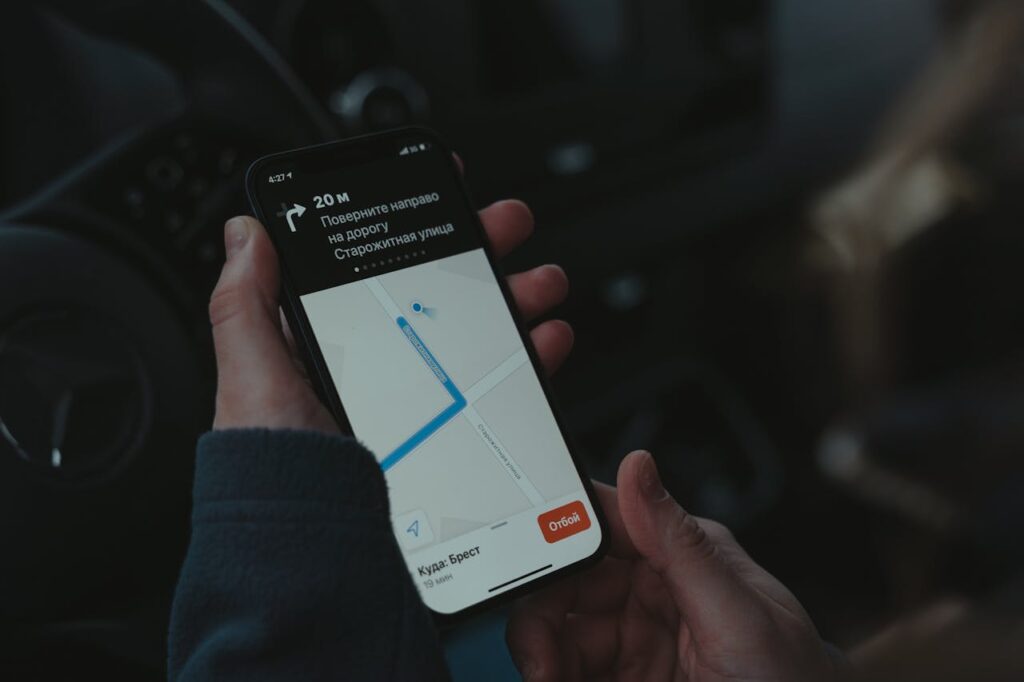
Image source: www.pexels.com/photo/person-using-black-android-smartphone-6169868/
1. Real-time location tracking
GPS tracking allows both the taxi company and the passenger to monitor the exact location of a cab. This feature offers peace of mind, knowing the car is on its way, and eliminates the uncertainty of waiting for a driver.
You can track your ride in real-time through a mobile app, making the entire process more efficient and transparent.
2. Safer journeys for passengers
With GPS tracking, drivers are constantly monitored, ensuring they follow safe routes. This is particularly helpful during late-night rides or in unfamiliar areas.
If any irregular driving behaviour is detected, it can be flagged immediately, giving both the company and the passenger an added layer of security.
Having a car tracking system in place means that, in the unlikely event of an emergency or accident, the exact location can be quickly pinpointed, providing quick responses from the necessary authorities.
3. Improved driver efficiency
Gone are the days when drivers would waste time getting lost or taking unnecessary detours. GPS ensures that the driver follows the most efficient route, reducing travel time and improving overall service.
As a result, passengers reach their destination faster, and the taxi company can accommodate more rides, enhancing productivity.
4. Enhanced emergency response
In the event of an emergency, GPS tracking enables rapid response. Whether it’s a medical issue or a safety concern, the exact location of the taxi can be identified within seconds.
This immediate access to location data allows for faster assistance, making it easier for emergency services to reach the scene quickly.
5. Reduced fuel costs
GPS helps taxi companies identify the most direct routes, cutting fuel consumption and saving money.
Drivers avoid wrong turns and traffic, reducing petrol use and making operations more sustainable with lower costs.
6. Enhanced customer experience
GPS tracking systems provide a smooth, seamless ride for passengers. Knowing that their driver is on the way and can be tracked in real-time enhances the overall customer experience.
This transparency builds trust and boosts customer satisfaction, leading to repeat business and positive reviews for the taxi service.
7. Smarter fleet management
For taxi companies, GPS technology makes fleet management smarter and more efficient. Companies can track the availability of each vehicle, monitor traffic conditions, and optimise routes.
This helps the service stay on schedule, reduce delays, and improve fleet utilisation, all while ensuring vehicles are being used effectively.
8. Car tracking for better security
With a car tracking system in place, taxi services can enhance vehicle security. If a car is stolen or involved in an accident, the GPS quickly pinpoints its location, enabling authorities to recover the vehicle swiftly. This not only protects the taxi service but also helps reduce car theft, benefiting the wider community.
Final thoughts of GPS Tracking
GPS tracking is transforming the taxi industry by enhancing safety and efficiency. With car tracking, services are becoming smarter and safer for all involved, paving the way for a more secure future for both passengers and drivers.