

Table of Contents

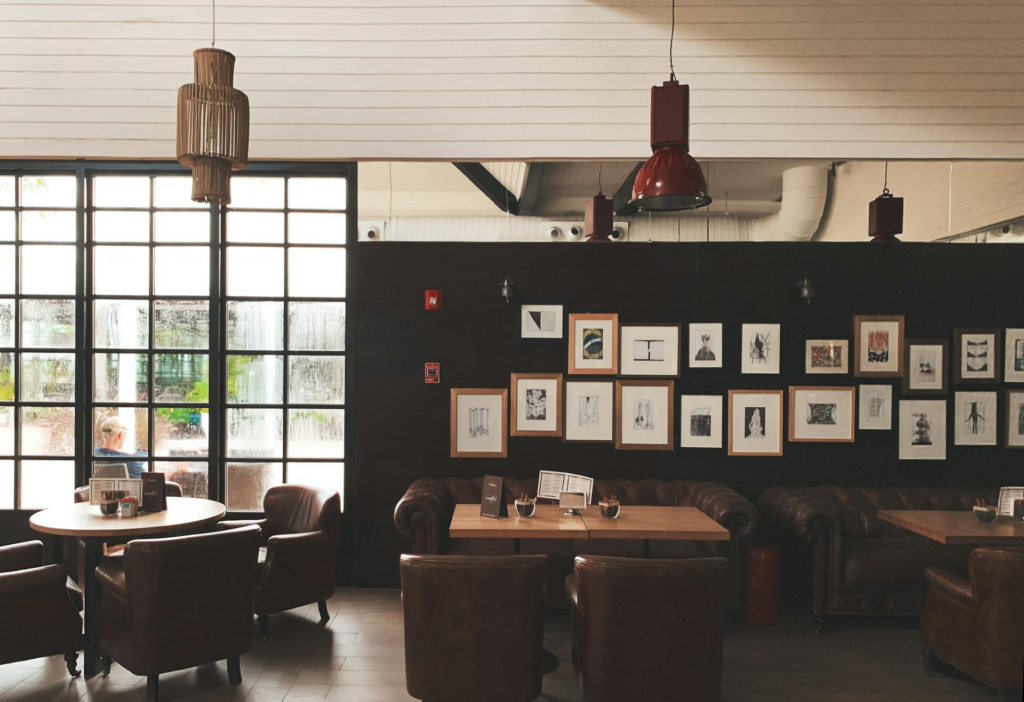
Running a café today means competing for attention far beyond your storefront. Customers often discover their next favorite coffee spot while scrolling on their phones, searching on Google, or checking reviews before stepping outside. Great coffee and a cozy atmosphere still matter, but they no longer guarantee steady foot traffic on their own. A strong digital presence helps cafés stay visible, connect with local customers, and build loyalty in a crowded market.
This guide explores some top digital marketing strategies that café owners can use to grow awareness, attract new guests, and keep regulars coming back.
Understanding Your Café’s Digital Identity
Every successful digital strategy starts with a clear sense of identity. Your café’s digital identity reflects who you are, what you offer, and why customers should choose you. Think about your atmosphere, menu focus, pricing, and the type of experience you want guests to remember. A neighborhood café that emphasizes comfort and community will communicate differently than a specialty coffee shop focused on craft and precision.
Once you define this identity, apply it consistently across your website, social media, and listings. Use the same tone, visuals, and messaging so customers recognize you instantly.
SEO Marketing That Brings Customers to Your Door
Search engine optimization helps customers find your café when they actively look for coffee, breakfast spots, or places to relax nearby. Start with local SEO by using location-based keywords on your website, such as your city or neighborhood. Make sure your contact details, hours, and address stay accurate across all platforms.
Backlinking plays a major role in strengthening your SEO efforts. When reputable food blogs, review sites, or local publications link to your website, search engines view your café as more credible. These links improve visibility and rankings over time. Working with a company that specializes in link building for food websites helps you gain relevant backlinks from trusted sources. This approach saves time and reduces the risk of low-quality links that can hurt performance.
Building a Website That Converts Visitors into Guests
Your website often creates the first impression, so it needs to load quickly and work smoothly on mobile devices. Many customers search for cafés while on the move, and a slow or confusing site pushes them elsewhere. Keep navigation simple and focus on what visitors need most.
Clear menus, high-quality photos, and easy access to directions help visitors decide faster. Add calls to action like “Order Online,” “Visit Us,” or “View Menu” so users know what to do next. A well-structured website does more than share information. It encourages people to step through your doors.
Using Social Media to Showcase Daily Café Life
Social media gives cafés a chance to show personality and connect with customers in real time. Platforms like Instagram and Facebook work especially well for sharing daily specials, behind-the-scenes moments, and customer favorites. Regular posting keeps your café visible without feeling pushy.
Engagement matters as much as posting. Reply to comments, answer messages, and acknowledge tagged photos. These interactions show that your café values its community. Over time, social media becomes a place where customers feel involved, not just advertised to.
Leveraging Local Listings and Google Business Profile
Local listings help customers find your café quickly when they search nearby. Your Google Business Profile should always display correct hours, contact details, and updated photos. This profile often appears before your website, so it needs to represent your café well.
Adding photos of your space, drinks, and food helps potential visitors decide faster. Posting updates about new items or holiday hours also keeps your listing active.
Encouraging and Managing Online Reviews
Online reviews shape how people perceive your café before they visit. Many customers trust reviews as much as personal recommendations, which makes them a powerful influence on decision-making. Encourage satisfied guests to leave reviews by asking politely at checkout or through follow-up messages after online orders. Keep the process simple so customers don’t lose interest.
For marketing agencies or consultants managing reputation for multiple cafés, a Google review automation white-label platform can streamline review requests, monitor feedback across locations, and simplify reporting without adding extra manual work.
Managing reviews matters just as much as collecting them. Respond to both positive and negative feedback in a calm and respectful way. Thank customers for their input and address concerns honestly without sounding defensive. This approach shows accountability and helps future customers see that you care about service and experience.
Email Marketing for Loyal Customers
Email marketing gives cafés a direct line to customers who already enjoy what you offer. Unlike social media, emails reach people without relying on changing algorithms. Build your email list through in-store sign-ups, Wi-Fi access pages, or your website.
Use emails thoughtfully by sharing updates that feel useful rather than promotional overload. Announce new menu items, limited-time offers, or upcoming events. Keep messages short, friendly, and consistent with your brand’s tone. When done right, email marketing strengthens loyalty and encourages repeat visits.
Promoting Events and Offers Online
Digital platforms make it easy to promote events and special offers without large budgets. Whether you host live music, tastings, or seasonal promotions, online promotion helps spread the word quickly. Share event details across your website, social media, and email list to reach different audiences.
Timing plays a key role. Post reminders leading up to the event and share follow-ups afterward to maintain momentum. Clear messaging about dates, times, and benefits helps customers decide faster. Well-promoted events not only drive traffic but also build a sense of community around your café.
Collaborating with Local Influencers and Food Creators
Local influencers and food creators can introduce your café to audiences that already trust their recommendations. Focus on creators whose style and audience align with your brand rather than chasing large follower counts. Authentic partnerships feel more credible and lead to better engagement.
Invite creators to experience your café and share honest feedback. Avoid overly scripted content and allow them creative freedom. These collaborations often result in natural exposure, high-quality visuals, and increased interest from local customers who value real opinions.
Marketing a café online requires more than presence. It demands attention, adaptability, and genuine connection. Digital tools offer endless opportunities, but success comes from using them with intention rather than volume. By listening to customers, experimenting thoughtfully, and refining your approach over time, your café can build lasting visibility and trust. Digital marketing then becomes less about chasing trends and more about creating steady growth that supports your business for the long run.