

Table of Contents
Introduction
Recruitment is undergoing a seismic shift as artificial intelligence streamlines and refines how organizations find the right talent. With AI-driven innovation, companies are leveraging advanced technologies, such as AI recruiting tools, to automate tedious tasks and gain deeper insights into potential hires. The use of AI in hiring is not just a passing trend; it is fundamentally restructuring how hiring decisions are made, saving recruiters time while expanding opportunities for job seekers.
From the moment a job is posted through to onboarding, AI is quietly but powerfully transforming recruitment workflows. These changes touch everything from passive candidate sourcing to interview scheduling and skills assessment, helping both employers and candidates navigate a market characterized by both high competition and rapid technological evolution. As demand for skilled talent intensifies, robust AI tools are becoming a necessity for those seeking to remain ahead of the hiring curve.
Adapting to this tech-driven environment can be challenging for organizations entrenched in legacy processes, yet the benefits—ranging from operational efficiency to more objective hiring—are driving widespread adoption. Moreover, the transparency and fairness promised by carefully built AI systems are compelling reasons for companies to embrace these solutions. The integration of AI marks not just an upgrade in technology, but a transformation of the employer-candidate dynamic itself.

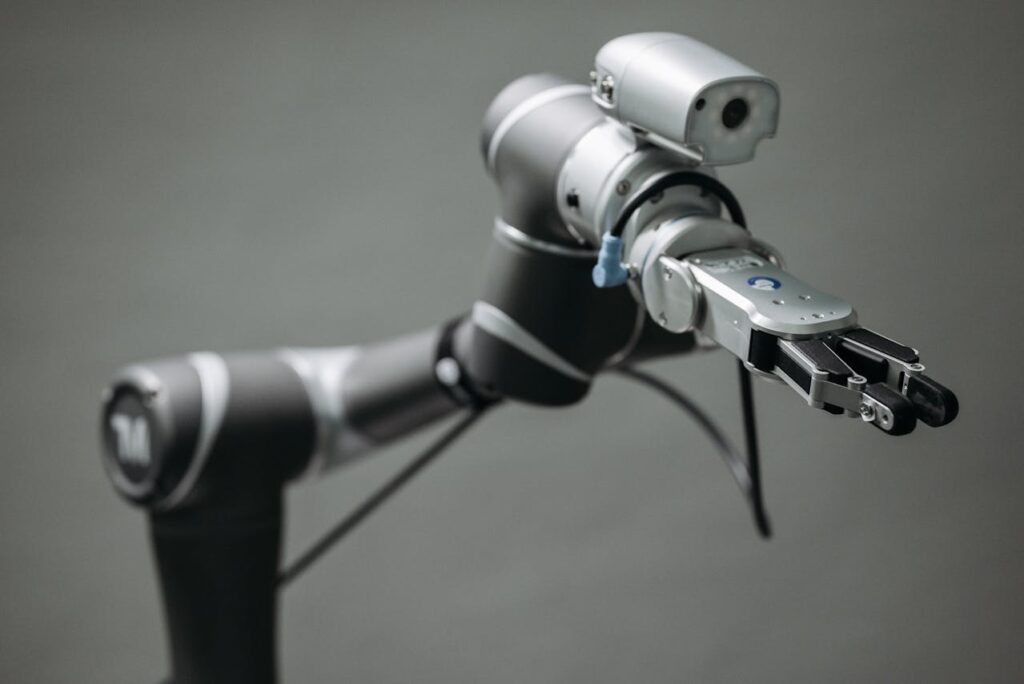
Image source: https://www.pexels.com/photo/a-video-camera-on-a-stand-8438976/
The Rise of AI in Recruitment
Over the past five years, AI has made significant progress in human resources departments across various industries. The main motivation? The enormous volume of applications, the need to quickly identify quality candidates, and the expectation of providing a better candidate experience. According to Forbes, AI-enabled systems now assist recruiters in analyzing large datasets, utilizing natural language processing and predictive analytics to identify top candidates much faster than manual review. This has shifted the talent acquisition culture: instead of simply matching resumes, recruiters now use AI-generated insights to predict an applicant’s future job performance and cultural fit. As organizations compete to acquire sought-after skills, the ability to sort through thousands of resumes in minutes and recognize patterns that indicate long-term success is changing recruitment from reactive to proactive.
Benefits of AI Recruiting Tools
Efficiency and Time Savings
AI recruiting platforms are automating many monotonous hiring tasks. From parsing applications to prescreening candidates, these tools reduce the administrative burden on recruitment teams, freeing up valuable time for strategic initiatives such as engaging high-potential talent or shaping employer branding initiatives.
Reduction of Human Bias
Bias has long been a barrier to building diverse, high-performing teams. With AI’s data-driven models, decisions are less susceptible to the unconscious preferences that can influence traditional hiring. Well-designed systems can help mitigate bias by using consistent criteria for every candidate.
Improved Candidate Experience
AI-powered chatbots respond to candidate queries in real time, provide status updates, and deliver personalized communications. This boost in responsiveness translates into a more positive impression of the hiring company and less frustration for job seekers left in the dark.
Predictive Analytics and Better Outcomes
By harnessing analytics from previous hires, assessment results, and even social media activity, AI systems can recommend candidates most likely to excel, backed by proven data. This predictive approach enables better hiring decisions and reduces employee turnover.
Impact on Job Seekers
AI is changing how candidates find and apply for jobs. Many now use AI-driven resume builders and interview coaching tools to maximize their chances. However, unequal access to these technologies or overreliance on AI-generated content raises questions about authenticity and fairness in the selection process.
The shift to algorithm-driven evaluations means job seekers must be vigilant about keywords, resume formatting, and online presence. Candidates who understand the logic of AI screening enjoy a distinct edge, but those unfamiliar with the nuances risk falling behind. This digital divide emphasizes the need for accessible, user-friendly guidance—particularly for marginalized groups who may lack resources to leverage these new tools.
Future Trends in AI Recruitment
Looking ahead, AI recruitment is shifting toward skill-based hiring, prioritizing competencies over rigid qualifications. This approach unlocks a broader pool of potential hires and drives inclusivity within traditionally underrepresented talent pools. Next-generation AI will also push the envelope on predictive analytics, allowing even more accurate forecasts of candidate performance and retention.
Diversity, equity, and inclusion (DEI) are expected to receive a boost as AI tools improve at recognizing and mitigating bias. Customizable, transparent algorithms are being built to support company-specific DEI goals, advancing not just compliance but genuine culture change. These advances will make AI a cornerstone of future recruitment, as organizations increasingly view talent as their greatest asset.
Conclusion
AI recruiting tools are reshaping how businesses and candidates connect, creating a hiring ecosystem that is faster, smarter, and more data-driven than ever before. For employers, integrating AI into hiring means improved efficiency, deeper insights, and a more inclusive workforce. For job seekers, it means adapting to new expectations and leveraging technology to stand out. As the landscape evolves, both sides must embrace lifelong learning and digital agility to thrive in the age of intelligent recruitment.
Key Takeaways
- AI recruiting tools are revolutionizing talent acquisition by automating tasks and enhancing decision-making.
- These tools improve efficiency, reduce bias, and provide data-driven insights for better hiring outcomes.
- Employers and job seekers must adapt to the evolving landscape to remain competitive.