

Table of Contents
Running link building inside a small-to-mid-sized digital agency rarely scales the way agency founders expect. The first two or three clients feel manageable, a dedicated outreach specialist can juggle the campaigns, track the placements, and report on the results. By client six or seven, the operation is quietly breaking down: publication relationships get stale, outreach email response rates drop, and the internal team starts spending more time on reporting than on actual outreach. That’s the inflection point where most agencies rethink whether link building belongs in-house at all.


Alt text: Digital marketing agency team reviewing campaign work in a meeting room
The alternative most agencies land on is white-label: a specialist partner handles the outreach, placements, and relationship management while the agency retains the client relationship and brand presentation. Providers like white label link building services sit entirely behind the scenes, delivering placements under the agency’s brand rather than their own. Here’s why the model works and what to evaluate before signing a partner.
Why Does In-House Link Building Break Down at Agency Scale?
Three structural reasons that catch most agencies off guard.
The first is relationship capacity. Quality link building depends on genuine publisher relationships, and each relationship takes months to develop. An in-house specialist can realistically maintain active relationships with fifty to eighty publications; a specialist firm maintains thousands. Beyond ten clients, your in-house network starts repeating placements, which devalues each successive link.
The second is pitch volume economics. A guest-posting pitch has a 5 to 15 percent success rate at quality publications. Scaling output means scaling outreach dramatically, which means scaling the outreach team. Adding one more specialist costs $60,000 to $90,000 in salary plus software and overhead. Once you factor in the operational overhead tracked through online attendance monitoring systems, the effective per-placement cost gets even higher. White-label partners spread that fixed cost across their entire client base.
The third is niche expertise. Healthcare placements, fintech placements, and SaaS placements each require different publisher networks and different pitch angles. In-house teams serving multiple client niches end up shallow across all of them. Specialist partners bring deeper per-niche networks that in-house teams can’t match.
What Does White-Label Link Building Actually Cover?
A full-service white-label engagement typically includes:
- Prospecting and qualifying publication targets against the client’s niche and domain authority requirements
- Outreach and relationship management with editors and content managers at target publications
- Pitch writing and story angle development tailored to each publication’s editorial style
- Content production or editing for accepted guest posts, often including the article itself
- Placement monitoring to verify links stay live after publication
- Reporting in the agency’s brand so clients see a cohesive deliverable from one agency, not stacked vendors
- Escalation handling when placements go wrong or publications request changes
The best providers also share backlink quality data transparently, referring domain DR, relevance score, topical overlap, so the agency can review placements before they’re reported to clients.
How Should You Evaluate a White-Label Partner?
A practical evaluation checklist that separates good partners from mediocre ones:

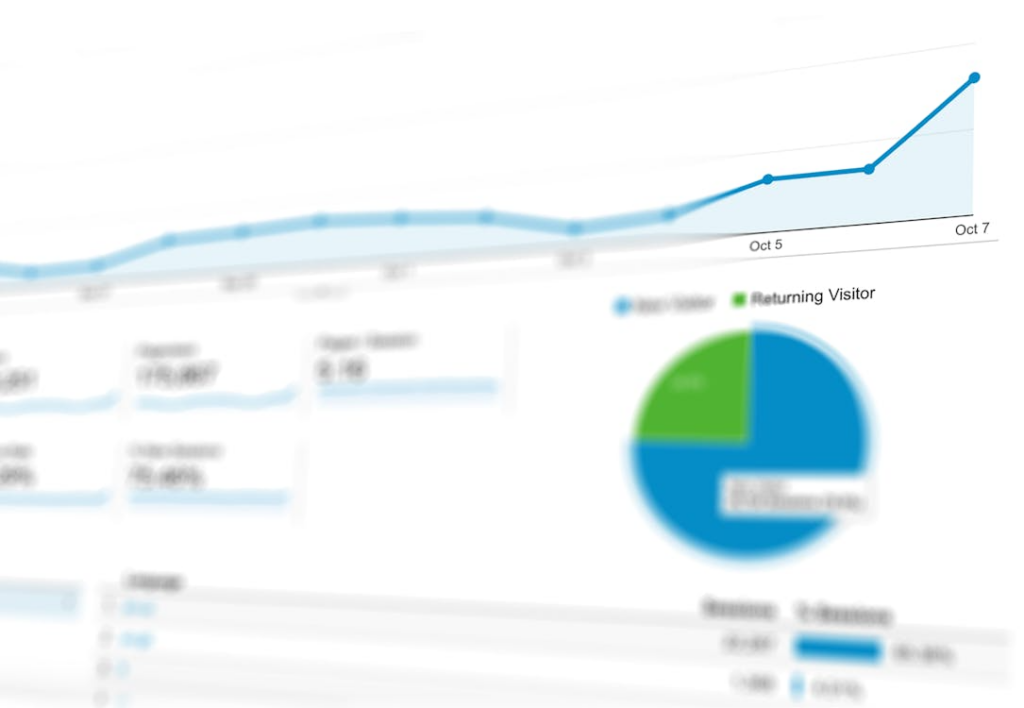
Alt text: Agency dashboard showing SEO campaign reporting for multiple clients
Ask about publication network transparency. A provider who won’t share examples of past placements on request is a red flag. Quality partners maintain portfolios of recent placements across niches and show them to prospects.
Check their anchor-text variety. Ask to see anchor text from ten recent placements across one niche. Exact-match commercial anchors on every link is a sign of algorithmic risk. Natural mixes of branded, contextual, and descriptive anchors indicate a provider who understands modern SEO.
Verify link persistence. Run a sample of five placements from six months ago through a link checker. Links disappearing within six months means the partner is using low-quality sites that periodically get cleaned up. According to Google’s Search Central guidance on link schemes, links from low-quality or shortly removed sites signal exactly the behavior Google’s spam team looks for.
Review their reporting format. Monthly reports should include placement URLs, DR, referring domain count, and the exact anchor text used. Providers who redact details or report only in aggregate numbers are hiding weak placements.
Confirm disclosure compliance. The Federal Trade Commission’s endorsement guidelines still apply to paid placements. Quality providers understand the disclosure line between editorial contributions and paid advertising, and they stay on the right side of it.
What Are the Common White-Label Pitfalls?
A short list of failure modes to avoid:
- Provider over-reliance on PBNs. Private blog networks produce placements that look like real publications but aren’t. Google devalues them when detected
- Thin content mills. Some providers rely on bulk-written articles on sites that publish anything. These placements offer little SEO value and hurt client reputation
- Geographic mismatch. A provider delivering mostly US placements to a UK agency’s UK clients isn’t a fit
- Delivery speed theatre. Partners promising 50 placements in 30 days are either using PBNs or inflating numbers. Quality at scale takes months to build
- No escalation path. When a placement goes wrong, the agency needs a direct contact to resolve it. “Submit a ticket” isn’t enough
What to Remember
- In-house link building breaks down at 5-10 clients due to relationship capacity limits
- White-label partners amortize publisher networks and outreach capacity across many agencies
- Transparency, anchor variety, link persistence, and detailed reporting are the four evaluation pillars
- PBN-reliant providers produce short-term wins and long-term penalties
- Agencies should retain client relationship ownership even when outsourcing delivery
The Bottom Line for Agency Founders
White-label link building works because it specializes what’s hard to specialize in-house: publisher relationships, pitch craft, and niche coverage. Agencies that keep the function in-house past the early client stage typically plateau on quality while costs keep climbing. For agency founders planning the next stage of growth, the question isn’t whether to outsource link building. It’s how to pick a partner who delivers at the quality bar your clients expect.
Frequently Asked Questions
What’s the typical cost of white-label link building services?
Per-placement rates range from $200 for mid-tier niche sites to $1,500+ for tier-1 publications. Monthly retainers from established providers run $3,000 to $20,000+ depending on placement volume and DR targets. For agencies structuring outsourced services, the billing format guide for client work covers how to package these retainers transparently.
Can clients tell their links came from a white-label partner?
No, when it’s done right. White-label providers deliver reports in the agency’s brand and don’t interact with clients directly. The agency presents all deliverables as their own work.
What’s the minimum agency size that makes white-label worth it?
Any agency with three or more active SEO clients generally benefits. The economics tip clearly in favor of white-label at five or more clients.
How long does a white-label partnership take to start producing results?
First placements typically go live within 4 to 6 weeks of signing. Steady monthly output usually starts in the second or third month once the partner’s network is fully aligned with the agency’s niches.