Table of Contents
Keeping your drains clean is an often-overlooked aspect of household maintenance, but it’s crucial for a well-functioning plumbing system. When pipes become clogged, the result can be slow drains, unpleasant odors, and, in severe cases, water damage to your home. Understanding the signs that indicate your drains need cleaning is vital to avoid these issues. Below, we’ll guide you through detecting trouble before it becomes a disaster. Keep reading to ensure your plumbing remains in top condition.
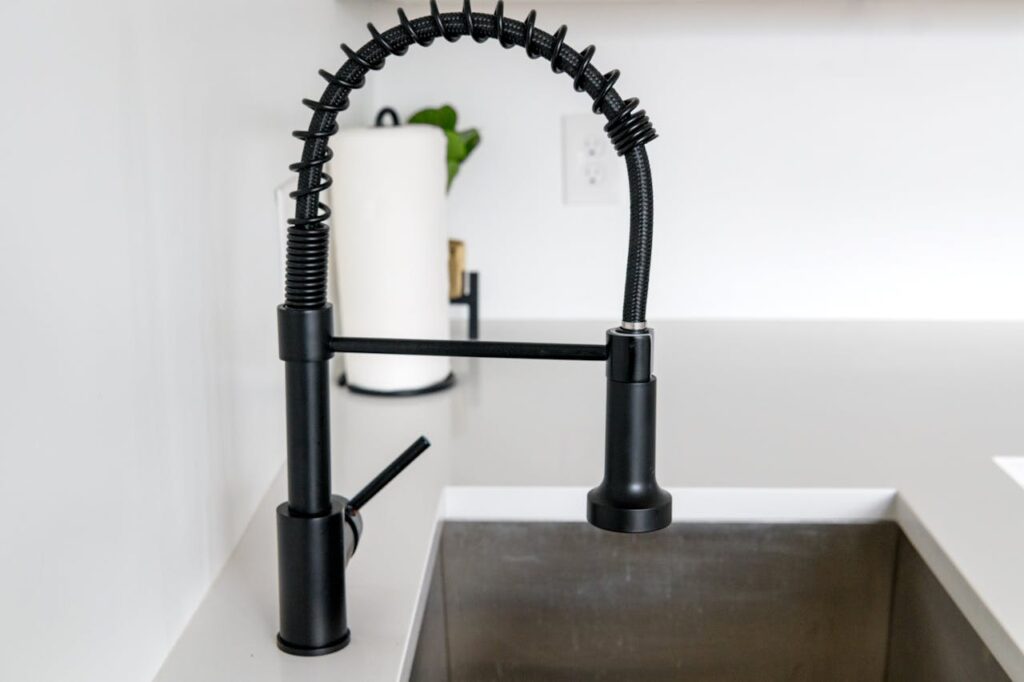
Image source: https://www.pexels.com/photo/photograph-of-a-sink-with-a-black-faucet-6253786/
Professional Drain Cleaning Versus DIY Methods: What You Need to Know
While many clogs can be resolved with a plunger or over-the-counter drain cleaners, these solutions are often temporary. DIY methods can provide quick relief but might not address the root cause of the problem. For recurring or stubborn clogs, professional drain cleaning services offer a more thorough and lasting solution.
Professionals are equipped with specialized tools like motorized drain snakes and hydro-jets that can eradicate blockages more efficiently, even deep within the plumbing system. The expertise of professionals can also prevent potential damage to pipes that can occur from the misuse of DIY methods. For instance, chemical drain cleaners can erode pipes over time, causing more harm than good.
When selecting a professional service, it’s important to choose a reputable company with a track record of success. For those located in Minnesota, for example, the best drain cleaning company in Minneapolis offers expertise in resolving even the most challenging clogs with state-of-the-art equipment and techniques.
Understanding the Consequences of Neglected Drain Maintenance
Failing to maintain your drains can lead to a multitude of problems, ranging from minor inconveniences to major health hazards. Clogs can escalate, causing backups that may lead to water damage within your home’s walls, floors, and electrical systems, incurring hefty repair costs. Poor drainage also creates an environment suitable for bacteria and mold growth, posing serious health risks to occupants.
Beyond the immediate physical damages, neglecting drain maintenance can diminish your property’s value. Recurrent plumbing issues can be a red flag for potential homebuyers, signaling a lack of proper care. This can ultimately affect the resale value of your home, making it a less attractive prospect on the market.
Environmental considerations are equally important. When drains are not regularly cleaned, harmful substances like oils and chemicals can build up and eventually spill into local waterways. This pollution can be detrimental to local ecosystems, affecting not just residential areas but also wildlife and community health as a whole.
Common Causes of Clogged Drains and How to Address Them
One primary contributor to clogged drains is the accumulation of hair, soap, and dirt from daily activities like showering and hand-washing. Implementing simple practices such as installing drain strainers can help trap debris and reduce the risk of clogs. Be mindful of disposing of waste properly; for instance, cooking grease should never be poured down the sink as it solidifies in pipes, leading to blockages.
Kitchen drains are especially susceptible to clogging due to food waste. Even with garbage disposals, some items, such as coffee grounds, eggshells, and fibrous vegetables, can cause issues. It is essential to run cold water when using the disposal and to avoid overloading it with scraps.
Flushing inappropriate items down toilets, such as sanitary products, wet wipes, or cotton balls, is another frequent cause of clogs. Only human waste and toilet paper should be flushed to maintain clear sewer lines. Educating household members about what can and cannot go down the drains is crucial in preventing issues.
Maintaining Your Drains to Avoid Future Blockages
Preventive maintenance can keep your drains functioning correctly and prevent the headache of unexpected clogs. Regularly using hot water or a baking soda and vinegar mixture can help to clear out minor buildups naturally. Be proactive; don’t wait for signs of a problem to take action.
Establishing good household habits can significantly reduce the risk of clogged drains. Ensure all household members know what can and cannot be flushed or poured down the drains. Managing what goes down your pipes is one of the most effective means of preventing clogs.
Consider scheduling regular professional cleanings as part of your regular home maintenance routine. Just as you would service your heating or air conditioning systems, your plumbing system deserves the same attention and care to ensure its longevity and functionality.
Altogether, taking proactive steps to recognize drainage problems early on and adhering to a regular maintenance schedule can keep your plumbing system healthy. Overall, it’s clear that vigilance and professional assistance are key to ensuring that the drains in your home remain unclogged, preventing unwanted stress and costly repairs.