

Table of Contents

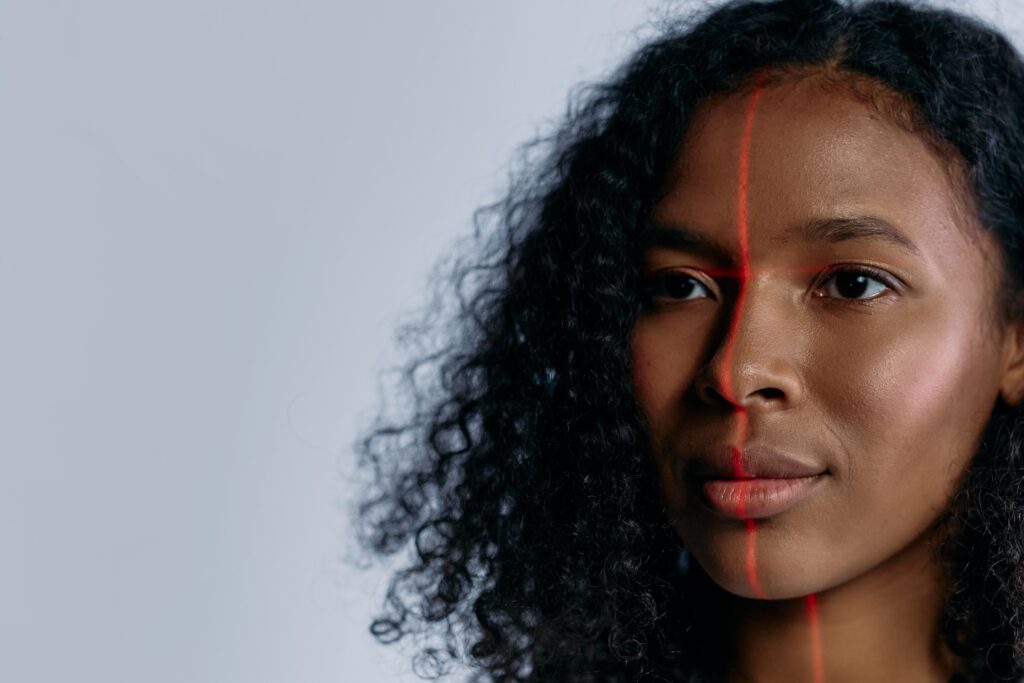
Facial features shape first impressions long before a conversation begins. People naturally notice facial balance, proportions, skin quality, and expressions within seconds. Together, these characteristics influence gender perception, but no single feature defines how someone is seen.
Today, the conversation is changing. Instead of focusing on dramatic differences, modern aesthetics places greater value on natural appearance, facial harmony, and personalised results. The goal is no longer transformation. It is balance.
How Gender Perception Works
People rarely judge one facial feature on its own. Instead, the face is viewed as a complete picture where every feature works together.
When forming first impressions, people often notice:
- Overall facial proportions
- Forehead and brow shape
- Eye area
- Nose shape
- Lip volume
- Jawline and chin
- Skin quality
- Hairline and hairstyle
Each characteristic contributes to the overall appearance. Even small adjustments can influence how masculine, feminine, or androgynous a face is perceived.
The key is harmony.
Facial Structure Creates the Foundation
Bone structure provides the framework for every face. While facial features vary naturally from person to person, certain proportions are commonly associated with feminine or masculine appearances.
Features often linked with a softer facial appearance include:
- A smooth forehead
- Higher cheekbones
- A narrower jawline
- A rounded chin
- Gentle facial contours
Features commonly associated with a stronger appearance include:
- A more prominent brow
- A wider jaw
- A broader chin
- More angular facial lines
These are broad anatomical patterns rather than fixed rules. Modern beauty trends increasingly recognise that facial balance matters far more than matching a specific ideal.
The Eyes and Eyebrows Shape First Impressions
The eye area is one of the first places people notice. Small differences around the eyes can subtly change how the face is perceived.
Common features associated with softer facial proportions include:
- More open-looking eyes
- Higher eyebrow placement
- Gentle eyebrow arches
- Smooth transitions between the brow and forehead
By comparison, lower and straighter brows can create a stronger facial frame.
Eyebrows also help frame the face. Rather than focusing on thickness alone, their position and shape influence overall facial harmony.
Small details often make a noticeable difference.
Facial Balance Matters More Than Individual Features
Older beauty ideals often focused on changing one feature at a time. Today’s approach is different. The emphasis is on how every facial feature works together.
For example:
- A defined jaw can still appear balanced with fuller cheeks.
- Thick eyebrows can complement softer facial features.
- A prominent nose may suit the face when it matches surrounding proportions.
This shift reflects growing consumer interest in subtle refinement rather than dramatic change. A balanced face often creates a more natural appearance than altering a single feature in isolation.
Skin and Hair Complete the Overall Picture
Bone structure provides the foundation, but skin and hair influence how facial features are perceived.
Healthy-looking skin can make facial contours appear softer by reflecting light more evenly. Hair also changes the way people interpret facial proportions by framing the forehead, cheeks, and jawline.
Simple styling choices can influence the overall appearance, including:
- Hairstyle and length
- Hairline shape
- Skin texture
- Eyebrow grooming
- Facial expression
These details do not determine gender, but they contribute to the complete visual impression.
Modern Aesthetics Focus on Customisation
As consumer preferences continue to evolve, personalised treatment plans have become increasingly important. Rather than following standard beauty ideals, many people look for approaches that respect their natural features while improving overall harmony.
This trend can also be seen in gender-affirming care. For individuals exploring options such as facial feminization surgery in Los Angeles, the focus is often on refining multiple facial features so they work together naturally instead of creating dramatic or exaggerated changes.
The emphasis remains on proportion, balance, and results that reflect the individual.
Small Changes Can Create Meaningful Results
Not every improvement requires a major transformation. In many cases, subtle adjustments across several areas create the most balanced outcome.
Examples include:
- Improving eyebrow symmetry
- Refining facial contours
- Enhancing skin quality
- Creating better proportion between facial features
- Maintaining natural facial expressions
Because the face is viewed as a whole, small refinements often have a greater impact than changing one feature dramatically.
Less can often achieve more.
Looking Ahead
The understanding of gender perception continues to evolve alongside changing beauty standards. Rather than pursuing fixed ideals, more people are choosing approaches that prioritise natural appearance, balanced proportions, and personalised results.
Facial features will always influence first impressions, but they work together instead of independently. The forehead, eyes, nose, lips, jawline, skin, and hair each contribute to the overall picture.
As aesthetic techniques continue to advance, customisation is expected to remain the defining trend. The focus is no longer on creating a completely different face. It is about enhancing harmony while respecting each person’s unique features.
Balance, proportion, and natural results continue to shape the future of modern aesthetics.