Table of Contents
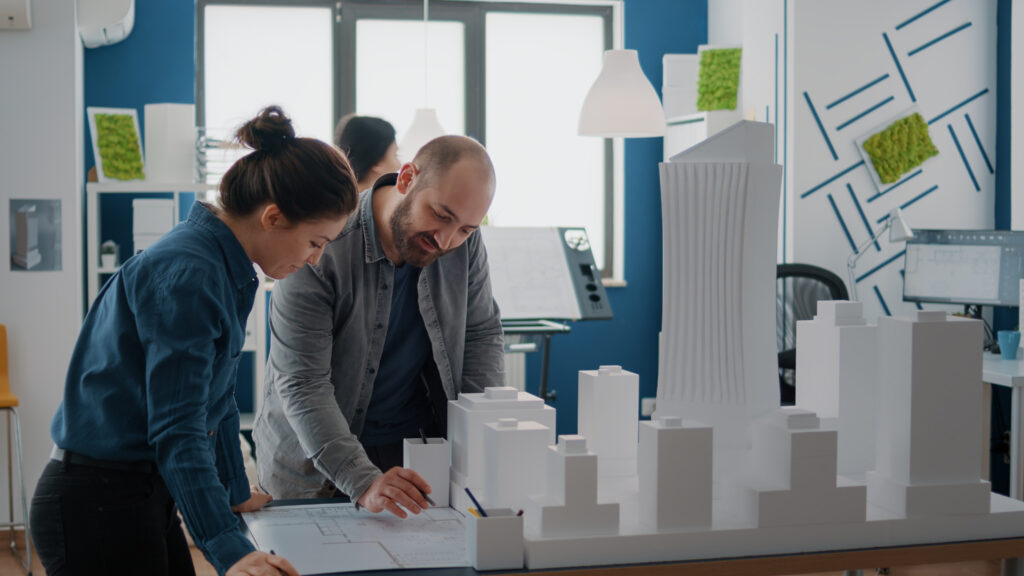
When we talk about scaling a business, the conversation usually revolves around digital infrastructure. We discuss cloud capacity, CRM integration, and the latest automation tools designed to streamline the customer journey. These are the visible engines of growth. However, a silent architect often determines the sustainability of that growth.
The architect is the physical environment where your team actually spends their lives. Honestly, we have spent so long staring at screens that we have forgotten the impact of the four walls around us.
For the entrepreneurs reading Negup, the goal is often to build a brand that resonates with both clients and talent. But a brand is more than a logo or a mission statement. It is a lived experience. As a company moves from the lean startup phase into a more mature operational model, the physical office has to evolve. It needs to change from a place of utility into a place of professional dignity.
The Impact of Environmental Friction
In any high-performance environment, friction is the enemy. We spend thousands of dollars optimizing our digital workflows to remove a single redundant click. Yet, we often overlook the massive amount of physical friction our teams face every day.
Have we considered how much mental energy is leaked just by navigating a poorly designed space?
Poor office design is a constant, low-level drain on cognitive energy. Whether it is the lack of acoustic privacy in an open plan layout or the frustration of visiting a facility that feels neglected, these sensory experiences add up. I’ve sat in those offices where the fluorescent lights hum like a dying insect, and the carpet is peeling at the edges. It is hard to feel inspired when the environment feels neglected.
Operational excellence requires looking at the office through the lens of the employee experience. When a workspace is designed with intentionality, it removes the distractions that lead to burnout. It signals to the team that their comfort is a priority, not a line item to be minimized.
Professionalism in the Details
As your business grows, so does the scrutiny of your stakeholders. Clients, investors, and high-level recruits perform a subconscious audit of your brand the moment they walk through your doors. They aren’t just looking at your growth charts. They are looking at how you treat the hardware of your business.
True professionalism is found in the details that most people take for granted. This is particularly true of a building’s utility areas. Restrooms and breakrooms are primary touchpoints for office morale and brand perception.
But do they reflect the quality of your product?
When a firm invests in high-quality commercial restroom solutions, like durable phenolic toilet partitions, they aren’t just completing a construction task. They are establishing a standard of privacy and quality that reflects the company’s broader values. It is about creating an environment that feels solid and established. When every part of the office is maintained to a high standard, it fosters a culture of excellence.
Designing for Employee Retention
In the current talent market, the vibe of an office is a competitive advantage. People want to work in a place that feels like it was designed for humans, not just for productivity. This means creating spaces that offer both collaborative energy and personal sanctuary.
Retention is built on a series of daily interactions.
It is about the quiet corner where a spontaneous 1-on-1 happens. It is about privacy in communal areas. When these elements are ignored, employees feel like temporary residents in a clinical space. When they are prioritized, they feel like valued members of a professional community.
The ROI of Infrastructure Quality
From a purely fiscal standpoint, it is tempting to choose the cheapest option for office build-outs.
But the ROI of quality lies in the longevity of the assets and the satisfaction of the people who use them.
Think about the long-term cost of choosing materials that peel, crack, or hum with every use.
Beyond the maintenance costs, there is the reputational cost. An office that feels cheap suggests a company that might be cutting corners elsewhere. Conversely, a workspace that feels durable suggests a business that is built for the long haul.
So, how do we start building for that longevity? It is time we start looking at the hardware of our work lives with the same scrutiny we apply to our software.
Final Thoughts on Scaling with Dignity
The journey of business growth is a transition from the informal to the professional. As you scale, your infrastructure must keep pace with your ambitions. By investing in your team’s physical comfort and privacy, you are building a culture of respect that will sustain your growth for years to come.
When the environment works, the people work. It is as simple as that. By treating your workspace with the same level of care you give your product, you ensure your business is prepared for the challenges of the future. And that is how we stay human in a digital age.