Table of Contents
In a world where markets are fiercely competitive and margins are continuously squeezed, manufacturing excellence is not just a goal it’s a necessity. Mastering factory output isn’t just about working harder; it’s about working smarter with tools like OEE nrecognized far and wide for putting productivity under the microscope. With OEE in your toolkit, getting a clear view of what’s working (and what’s not) in your production line becomes straightforward, guiding smart tweaks for better outcomes. But what exactly is OEE, and how can it propel a factory from good to great? By exploring the inner workings of OEE, identifying what really matters, and applying those insights effectively expect nothing less than stellar performance in your manufacturing endeavors.
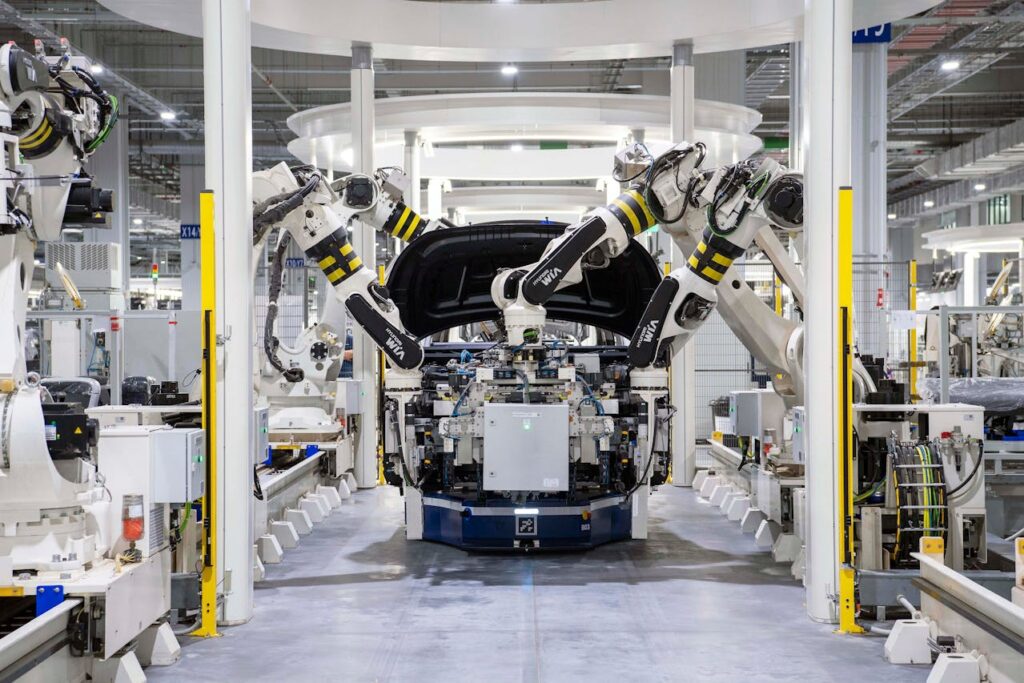
Image source: https://www.pexels.com/photo/assembling-machines-in-factory-19233057/
Understanding OEE Fundamentals
At its essence, OEE encapsulates how effectively a manufacturing operation is utilized. At its heart, there are just three things that shape this measure. Being available, performing well, and offering quality are non-negotiables.
Availability is a measure of uptime, quantifying how often machines are running as opposed to being down for maintenance, setup, or breakdowns.
Performance captures the speed at which products are manufactured, considering the ideal cycle time versus the actual rate of production. It helps identify when equipment is not operating at its full capacity.
Quality zeroes in on creating stellar products, sidelining those that miss the mark for either a redo or the scrap heap.
By multiplying the ratios for availability, performance, and quality, you come up with the OEE percentage, a figure that ideally should sit close to 100%, although most factories average between 60-85%.
Leveraging OEE as a metric involves continuous monitoring and improvement of these components to push towards optimal productivity, ensuring that machinery is available when needed, performing at its best, and producing the highest quality output without waste.
Crafting Achievable Goals for OEE
Benchmarking against industry standards is crucial when setting OEE targets. Knowing what world-class OEE figures look like (typically around 85%) provides a yardstick against which to measure. However, it is important to comprehend that these benchmarks are aspirations, not starting points.
Crafting achievable goals for your Overall Equipment Effectiveness (OEE) starts with a clear look at where you stand, recognizing the hurdles specific to your operation, and plotting out step-by-step milestones. Aiming for a 1% improvement per month might seem modest but can lead to significant enhancements over time. Taking a practical approach helps us set goals that aren’t just pie in the sky but truly within reach, steering clear of the disappointment that comes from aiming too high and missing.
Identifying and Eliminating Downtime
A pivotal aspect of improving Overall Equipment Effectiveness is minimizing downtime. To effectively tackle this, you need to meticulously track all instances of machine inactivity whether planned or unplanned.
Constant monitoring can reveal patterns or regular occurrences of downtime which can, in turn, be systematically addressed. For instance, if setup times are contributing to significant downtime, consider implementing SMED (Single-Minute Exchange of Die) principles to trim this down. Tackling the real issues head-on and tweaking how things are done will keep those machines busy cranking out more stuff than ever.
Optimizing Performance Rates
To enhance performance rates, the goal is to operate as close to the theoretical maximum speed as possible. To get ahead, pinpointing exactly where problems lie makes all the difference. Are they in the supply of materials, worker movements, or machine speed?
Kick things off by tackling the easy stuff first, like tweaking your machines for better performance or shuffling tasks around so no one’s just standing around. Addressing minor stops—such as jams or temporary malfunctions is also critical, as these can insidiously erode productive time. The right mix of training, ongoing maintenance, and tweaking the way things are done can really pump up how well equipment works.
Boosting the Quality of What We Make
Think about it; when you nail quality, you’ve got satisfied repeat buyers in your corner. Reducing the rate of defects and the percentage of products that need rework is quintessential to improve the Overall Equipment Effectiveness score and, ultimately, your bottom line.
Implementing robust quality control mechanisms at every stage of production helps catch issues early before they result in significant waste. Processes such as poka-yoke (error-proofing) or statistical process control can minimize defects and ensure that a higher proportion of products meet quality standards straight off the production line.
Engaging Employees in OEE Improvement
Involving employees in OEE improvement initiatives is paramount. It takes every one of us pulling in the same direction to make our goals a reality – that’s what teamwork is all about. Learning programs enlighten staff about their impact on productivity measures; rewarding achievements aligns personal ambitions closely with those of our enterprise.
Encouraging constant growth starts with empowering employees to voice their ideas and drive changes themselves. A workforce that is knowledgeable and invested in the success of their tasks is likely to maintain equipment properly, follow best practices, and strive for operational excellence.
OEE Software Solutions
Thanks to OEE software solutions, businesses now have a powerful tool in hand to fine-tune their machinery effectiveness like never before. With these platforms, watching over the trio of Overall Equipment Effectiveness factors becomes seamless, paving the way for swift fixes and smart choices driven by data.
When selecting OEE software, key features should include ease of data capture, intuitive dashboards, customizable reports, and the ability to integrate with your existing technology stack. When you find that ideal piece of software, it’s not just about speeding things up – it’s also gaining crystal-clear understanding of your entire manufacturing process.
Regular OEE Reviews and Continuous Improvement
Continuous improvement is not a destination; it’s a journey. On our quest for excellence, frequently touching base on OEE keeps our eyes on the prize and feet firmly planted in reality. Think of these check-ins as moments to cheer on success or tweak tactics when progress seems slow.
Treat each piece of feedback like a puzzle piece, fitting it together with data to spot trends that might signal it’s time for something new or an adjustment here and there. Overall Equipment Effectiveness isn’t static it’s shaped by the lessons learned from ongoing analysis and adjustments.
Integrating OEE with Other Lean Tools
Lean manufacturing principles and OEE are natural allies in the pursuit of operational excellence. Lean tools such as 5S, Total Productive Maintenance (TPM), and Six Sigma can be seamlessly integrated into OEE strategies.
For instance, TPM aims to maximize equipment effectiveness, which aligns perfectly with OEE’s focus on availability and performance. Combine them and watch how they elevate efficiency more than when used alone – it’s like adding fuel to fire.
Overcoming Common OEE Implementation Challenges
Adopting OEE isn’t without its challenges. Many companies stumble over a few common blocks: digging their heels against new changes, not investing enough in training, and the headache of low-quality data. For us to leap over these barriers, our bosses need to be cheerleaders for the Overall Equipment Effectiveness goal while also opening avenues for thorough team coaching and guidance.
Keeping data true and untampered with is just as important. Imagine always making smart calls because your info is spot-on. That’s what happens when you follow simple yet effective guidelines for snagging and vetting data.
Conclusion
In closing this chapter on prime real estate mastery success hinges not only on catching waves of market trends but also delivering services that resonate personally with home seekers’ dreams.
If you’re on the quest for top-notch production quality, getting a handle on OEE is your best bet. Picture this you’ve got a magic wand that doesn’t just highlight ways for operational excellence but gets everybody fired up about leveling up, time after time. Learning from what others have accomplished, and stumbled upon, lights up a path full of insights and actionable tips for those just stepping out or pressing ahead on their journey. The ultimate message is clear: Hitting your target in OEE isn’t about setting it and forgetting it; you’ve got to stay on your toes, always ready to adapt and keep pushing for greatness.
By embracing OEE and the principles of lean manufacturing, any business can look forward to a future where every second of production time is optimized, every machine performs at its peak, and every product reflects the pinnacle of quality. Once merely a metric for tracking manufacturing processes, OEE now stands at the heart of every bustling and high-achieving production area.