



Table of Contents
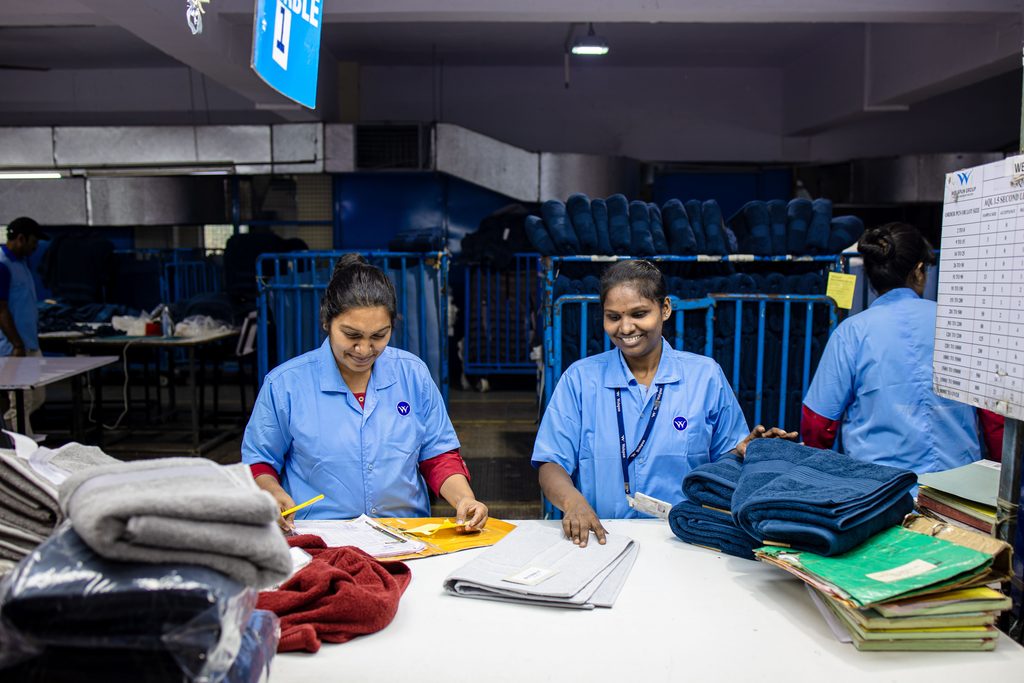
A company uniform is more than standard workwear. It is a physical representation of the brand that customers see during real interactions. Every shirt, jacket, pair of trousers, or branded accessory can reinforce the same visual identity.
When uniforms are designed properly, they help customers identify employees quickly. They also create consistency across locations, departments, and customer touchpoints. This makes the brand easier to recognize and remember.
Turn Workwear Into a Brand Asset
Uniforms work because they place brand elements directly into everyday customer interactions. A logo on a website may disappear when a customer leaves the page. A branded employee remains visible while assisting customers, visiting a job site, delivering a service, or attending an event.
The clothing itself should also match the nature of the work. A field-service company, for example, needs apparel that can withstand physical activity while maintaining a professional appearance. Durable options such as tactical jeans can support that balance when the work requires mobility, utility, and rugged construction.
Consistency Makes Brands Easier to Recognize
Brand recognition depends heavily on repeated visual exposure. Companies normally control elements such as logos, colors, typography, packaging, signage, and digital graphics. Employee clothing should follow the same system.
A uniform program should define:
- Approved garment styles and colors
- Logo placement and minimum sizing
- Department-specific variations
- Acceptable accessories and footwear
- Replacement and maintenance standards
This prevents employees from presenting noticeably different versions of the same company. Consistency is especially important for businesses with multiple branches or mobile teams.
Uniforms Help Customers Identify Employees
Customers often need to find the right person before they can solve a problem. In a retail store, uniformed employees are easier to distinguish from shoppers. At a construction site, branded workwear can identify authorized personnel. In facilities management, a consistent uniform can make service staff immediately recognizable.
This identification function has measurable value. Cintas reports that 97% of people say uniforms make employees easier to identify. The statistic illustrates why uniforms can serve an operational purpose as well as a branding purpose.
Visual Identity Should Extend Beyond the Logo
A logo alone does not create a strong uniform system. The complete visual composition matters.
Color selection should align with the company’s established brand palette. Typography and graphic treatments should remain consistent with other marketing materials. Garment cuts should also reflect the company’s positioning.
For example, a technical services company may benefit from structured, durable workwear. A hospitality company may require a cleaner and more formal appearance. A creative agency could use a more relaxed uniform while retaining consistent branded elements.
The objective is not to make every employee look identical in every detail. The objective is to make the organization visually coherent.
Quality Influences Brand Perception
Customers can associate the condition of employee clothing with the standards of the company itself. Faded colors, damaged garments, inconsistent embroidery, and poor-fitting apparel can weaken an otherwise strong identity.
Uniform specifications should therefore include measurable quality requirements. Fabric weight, stitching, colorfastness, logo application, and garment durability are practical considerations.
Research published in the Journal of Applied Social Psychology found that uniforms make employees and their organization more visually connected in customers’ minds. The same research also found that employee behavior can have a stronger effect on perceptions of the company when employees are uniformed.
Custom Details Can Improve Recall
Small visual details can make a uniform more distinctive. Companies can use department identifiers, embroidered names, branded accessories, and other customized elements without overwhelming the main brand identity.
The key is hierarchy. The company name or logo should remain easy to identify. Secondary elements should provide useful information rather than compete with the primary branding.
For organizations with field teams, security personnel, maintenance crews, or event staff, customized identifiers can also improve recognition from a distance. This is particularly useful when employees work in crowded or unfamiliar environments.
Uniforms Connect Employees With the Brand
A uniform also operates internally. Employees become visible representatives of the organization when they wear branded clothing. That can reinforce awareness of company standards and make the relationship between individual performance and corporate reputation more apparent.
This connection has an important consequence. Good service performed by a uniformed employee can reinforce the company’s image. Poor service can have the opposite effect. Uniforms make organizational membership more obvious, so companies need to pair visual branding with clear service and conduct standards.
Branded Patches Add a Flexible Layer
Companies that need additional identification can use PVC patches as part of their uniform system. PVC is useful when a durable, highly visible patch is needed for workwear that faces frequent outdoor use or physical activity.
Patches can identify departments, roles, locations, or specific programs while keeping the main uniform design consistent. They can also provide more flexibility than permanently changing a garment. A company can maintain the same base uniform while updating selected identifiers as teams and responsibilities change.
Build a Uniform System, Not Just a Dress Code
A strong corporate uniform should be managed like any other brand asset. Start with the company’s visual identity and determine which elements need to appear on employee clothing. Then match those requirements to the actual working environment.
Consider fabric performance, climate, movement, storage, washing frequency, replacement cycles, and employee comfort. These factors affect whether the uniform will remain presentable after repeated use.
Companies should also document the specifications. A centralized uniform guide can define approved garments, colors, branding methods, placement rules, and acceptable variations. This makes it easier to maintain consistency as the organization grows.
Measure the Brand Impact
Uniform branding can be evaluated through practical indicators. Businesses can monitor customer feedback, employee identification rates, brand recall, uniform compliance, and the condition of garments over time.
The strongest programs connect appearance with function. Employees should be able to perform their jobs comfortably while remaining immediately identifiable as members of the organization.
Company uniforms strengthen brand recognition because they make the brand visible during real-world interactions. When design, quality, identification, and employee behavior work together, workwear becomes a consistent part of the customer experience. That consistency can make a company easier to recognize, easier to trust, and harder to forget.