Table of Contents
Behind the Rise of Tech-Driven Performance in Everyday Workouts
What if your workout gear could whisper encouragement mid-run? Or if your gym app knew exactly when your energy was dipping, and adjusted your routine before you even realised? That’s not science fiction. That’s fitness, reimagined.
We’re witnessing a new kind of movement—not just with our bodies, but in how technology is transforming the way we show up for ourselves every day.
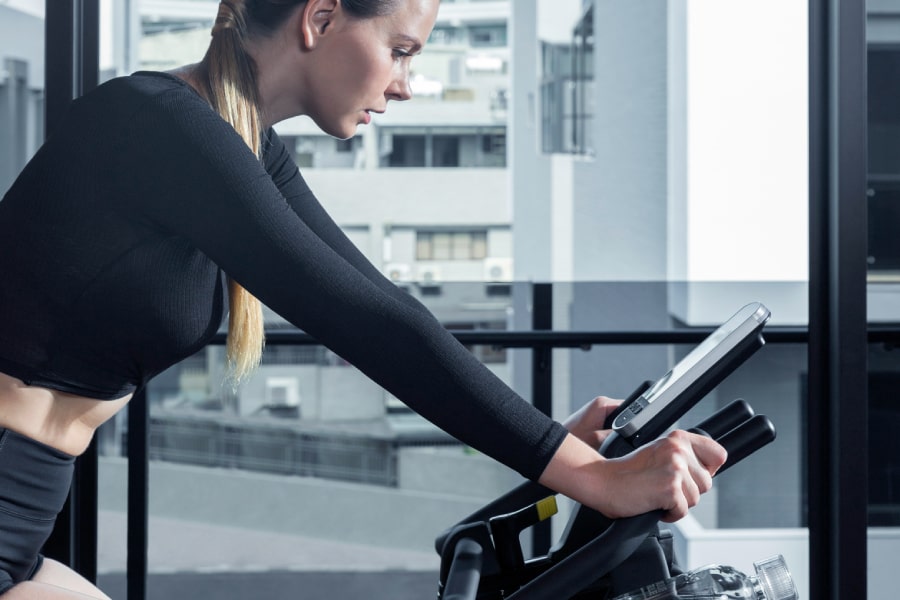
Your Watch is Smarter Than You Think
Remember when a fitness tracker just counted steps? Now it’s like having a pocket-sized performance coach.
With just a glance at your wrist, you can see how well you slept, if you’re stressed, what your heart’s up to, and even how well you’re recovering. Your smartwatch is tuned into your rhythms, offering nudges that feel more personal than ever. It’s not just wearable—it’s aware.
And as devices evolve, they’re not just measuring. They’re helping. Think blood oxygen insights, reminders to pause and breathe, and even gentle motivation when you’re slacking on steps. It’s like having a tiny, cheerful coach cheering you on—without the whistle.
Clothes That Move With You
You slip on a t-shirt, and suddenly your body has a voice.
Smart fabrics are woven with tech that senses every stretch, squat, and side-lunge. They respond to your movement, sending feedback straight to your phone. These aren’t just clothes—they’re companions.
From adjusting to your temperature to nudging you to fix your form mid-workout, your outfit is finally catching up to your ambition. And it looks just as sleek as it feels.
Workouts That Get You Really Get You
Today’s best fitness apps are almost psychic.
They learn what fires you up, when you’re most likely to skip, and which exercises make you feel like a superhero. With artificial intelligence at the core, they serve up workouts that adapt in real time, based on you.
Whether you’re in the mood for a quick burst of energy or a slow, steady challenge, the right routine is always waiting. And if you’re not sure where to start, don’t worry—your app already knows.
Training for Real Life, Not Just Reps
We’re not all training for the Olympics. Most of us just want to feel strong picking up the groceries, running after the kids, or surviving a full workday without back pain.
That’s where functional fitness steps in—and tech is right there to guide us. With form-correcting sensors and movement-mirroring apps, your body becomes the blueprint. The result? Smarter workouts that fit your lifestyle, not the other way around.
Recovery Just Got an Upgrade
We used to think pushing harder was the answer. Now we know better — rest is powerful.
And technology is helping us rest right. Massage guns remember your sore spots. Sleep rings whisper data about your dreams. Compression boots pulse with precision to help you bounce back faster.
Recovery isn’t an afterthought anymore—it’s part of the plan.
Mini Goals, Major Wins
Whether you’re sculpting your core or working on posture, hyper-focused tools are turning niche goals into daily wins.
Need to fine-tune your jawline or build hand strength? There’s a gadget (and a guided plan) for that. These micro-goals make progress feel personal and possible.
Health and Fitness, Finally in Sync
The line between fitness and wellness? It’s fading fast.
Today’s wearables are just as comfortable in a doctor’s office as they are on a running trail. They’re watching out for signs your body might miss—and giving you the chance to act early.
Think of it as daily check-ins with your future self. You’re not just working out; you’re investing in long-term health with every rep.
Fitness Without Borders
This tech isn’t just for elite athletes or the ultra-connected. Thanks to AI and cloud platforms, fitness wisdom is reaching corners of the world where gym memberships were never an option.
From rural towns to bustling cities, more people are gaining access to personalised coaching, meal advice, and recovery support—right from their phones. It’s fitness for everyone, everywhere.
Exploring the Edges: The Role of Emerging Research Compounds in Performance Studies
As fitness science keeps pushing forward, researchers are diving deeper into how certain experimental compounds might influence muscle recovery, endurance, and strength at a cellular level. One such compound gaining attention in scientific communities is RAD-140 (Testolone) a selective androgen receptor modulator currently being studied for its potential effects on muscle and bone health in controlled environments.
While RAD-140 is not approved for human consumption and is strictly limited to research use, it’s frequently featured in performance-focused studies aiming to understand how the body reacts to targeted anabolic activity without the side effects associated with traditional steroids. You can explore more about this compound here if you’re interested in its role within ongoing scientific investigations.
These explorations help expand our understanding of how the body responds to physical stress, recovery, and adaptation. And while the findings remain preliminary, they’re shaping the questions we ask about performance optimisation in the years ahead.
It’s Not Just a Trend, It’s a Movement
The rise of tech in everyday workouts is more than convenient. It’s a connection. It’s understanding. It’s that moment when your gear, your goals, and your grit all click into place.
We’re not just getting fitter, we’re getting smarter, more in tune, and more excited to move.
So go ahead, lace up, tap play, and let the future join your next workout. It’s already cheering you on.
Disclaimer: This article cannot and does not contain medical/health advice. The medical/health information is provided for general informational and educational purposes only and is not a substitute for professional advice. Accordingly, before taking any actions based upon such information, we encourage you to consult with the appropriate professionals. We do not provide any kind of medical/health advice. THE USE OR RELIANCE OF ANY INFORMATION CONTAINED ON THE SITE IS SOLELY AT YOUR OWN RISK.