Table of Contents
Workplace safety used to mean hard hats, guardrails, and posted signage. That covers the basics. It doesn’t cover air quality, equipment failure, or how fast a supervisor learns about a problem. Modern facilities need systems that catch what a walkthrough misses. This is where practical technology earns its place on the shop floor.
Most safety failures aren’t dramatic. They’re slow. A filter clogs over three weeks and nobody notices the drop in airflow. A sensor sits uncalibrated for a quarter. A tablet dies mid-shift and the incident log goes back to paper. None of these show up on a compliance audit until something breaks. The fix isn’t more paperwork. It’s equipment built to catch the slow failures before they become fast ones.
Why Manufacturing Floors Need More Than a Checklist
The numbers make the case on their own. Private employers reported 2.5 million nonfatal workplace injuries and illnesses in 2024, according to the Bureau of Labor Statistics. That’s still a large number of people getting hurt on the job every year. Air quality is part of that picture. Dust, fumes, and airborne particulates build up fast in welding bays, print shops, and warehouses. An industrial air purifier pulls that load out of the air before it reaches a worker’s lungs, not after someone starts coughing.
Facility managers deal with a predictable list of airborne hazards:
- Welding smoke and metal fume
- Wood dust from cutting and sanding
- Chemical vapor from coatings and solvents
- Fine particulate from packaging and material handling lines
Each one carries its own exposure limit under OSHA rules, measured in parts per million or milligrams per cubic meter depending on the substance. Filtration has to be sized for the actual contaminant on that floor, not a generic spec sheet pulled from a catalog. A system rated for airflow in a 5,000 square foot bay won’t do much in a 15,000 square foot one, no matter how good the filter media is.
Real-Time Monitoring Changes How Fast Problems Get Solved
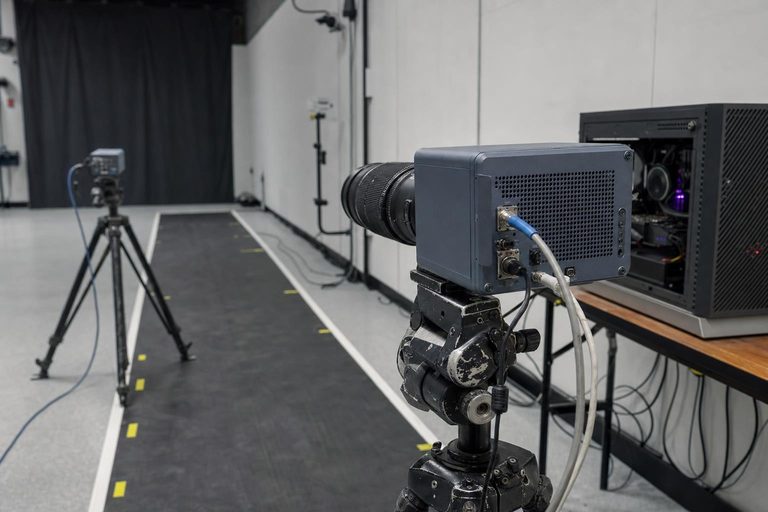
Sensors do the job that periodic inspections can’t. A fixed air quality sensor logs particulate counts every few seconds. A gas detector flags a leak before anyone smells it. That data has to go somewhere useful. A dashboard buried in a server room three floors away doesn’t help anyone. Operators need the reading where they’re standing.
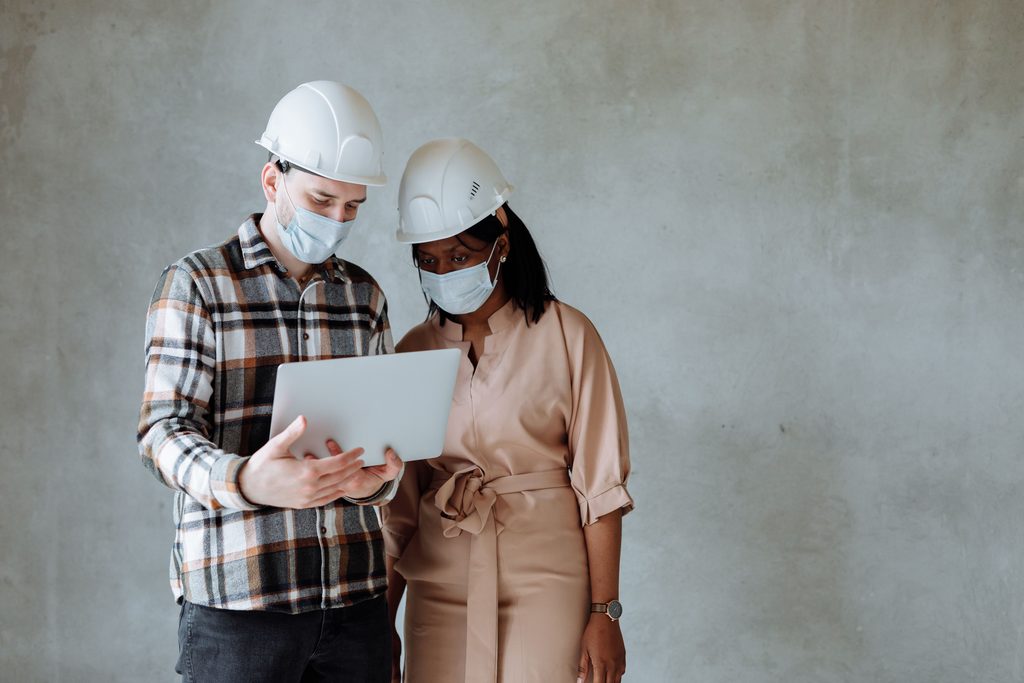
That’s the shift happening on plant floors right now. Sensor networks feed data straight to handheld devices carried by shift supervisors. A spike in particulate matter triggers an alert on the spot, not a report at the end of the shift. The gap between detection and response used to be measured in hours. Now it’s seconds. A metal fabrication shop can go from normal air quality to a fume spike in under a minute once a new job starts on the laser cutter. Static monitoring, checked once a shift, misses that entirely.
Hardware Has to Survive the Environment It’s Monitoring
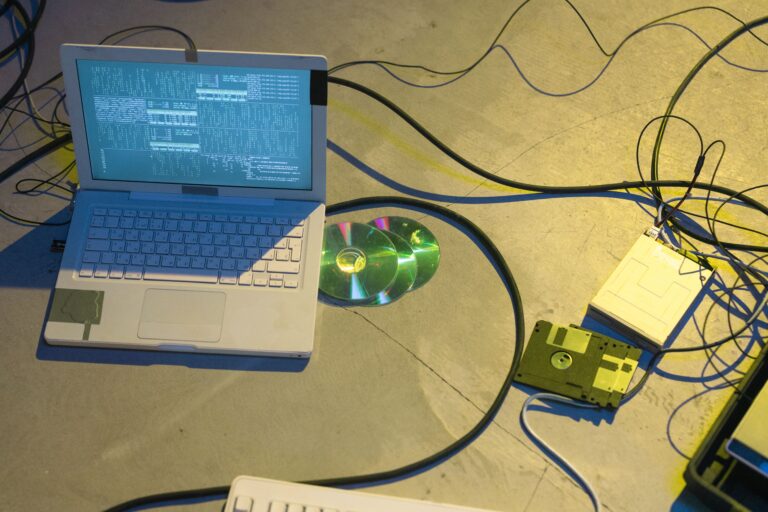
None of this works if the hardware fails. Standard laptops and tablets were never built for a foundry floor or a cold storage dock. Dust gets into the ports. Vibration cracks the housing. Temperature swings kill the battery early. Extreme heat, extreme cold, and constant vibration are normal operating conditions in industrial settings, not edge cases to design around later.
A device meant for this kind of environment needs a few specific things:
- An IP-rated enclosure that keeps out dust and liquid
- A drop rating built for a concrete floor, not a carpeted office
- A wide operating temperature range
- A battery that lasts a full shift without a charging break
Consumer electronics fail this test almost immediately, usually within the first year of daily use. An IP65 rating handles dust and water spray. An IP67 or higher rating is worth the extra cost in a wash-down environment like food processing or pharmaceuticals, where equipment gets hosed down between shifts.
Choosing Hardware That Survives the Job Site
Hardware selection is where a lot of safety programs stall out. Teams pick devices based on price instead of fit. A rugged computer costs more upfront than a consumer tablet, but it doesn’t need replacing every eighteen months. Downtime from a cracked screen or a dead battery mid-shift ends up costing more than the hardware itself, once lost production time gets factored in.
Safer workplaces come from decisions made before anything breaks. Purified air, live sensor data, and hardware built for the actual environment aren’t extras. They’re the baseline for any facility that wants fewer incidents, less downtime, and a floor that runs the way it’s supposed to.
Connecting the Floor to the Office
Safety data only matters if it reaches the people who act on it. Plant floor readings need to sync with maintenance schedules, compliance logs, and shift handoffs. A system that isolates sensor data on one screen and work orders on another creates a lag. That lag is where incidents happen.
Integration doesn’t need to be complicated. Most modern industrial platforms already support open APIs. The work is in configuration, not custom development. A facility manager should be able to pull a full incident timeline, sensor readings included, without putting in a ticket with IT.
Disclaimer: This article is provided for general informational and educational purposes only. It is not intended to constitute professional safety, engineering, environmental, legal, or regulatory advice. Workplace safety requirements, exposure limits, equipment specifications, and compliance obligations may vary depending on the industry, facility, location, and specific hazards involved. References to products, technologies, or external resources are for informational purposes and should not be considered endorsements or guarantees of performance. Facility managers and safety professionals should conduct appropriate risk assessments and consult qualified professionals and applicable regulations before making workplace safety or equipment decisions.