Table of Contents
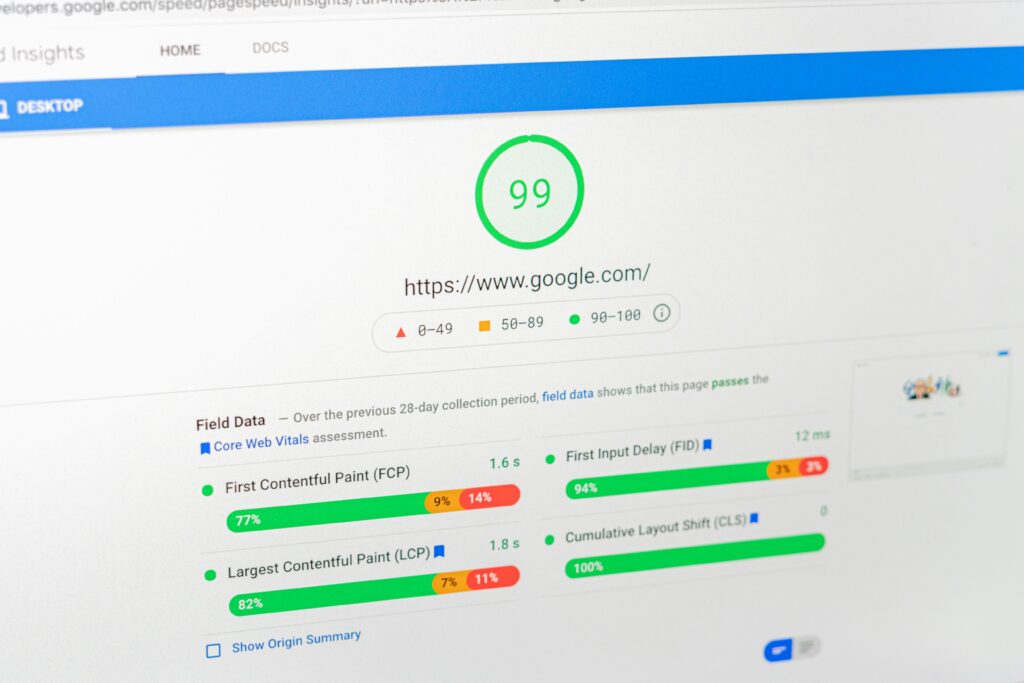
Website speed has been discussed so many times that some people now treat it like old SEO folklore. It gets mentioned, nodded at, and then pushed aside in favour of fresher topics like AI content, search intent, or topical authority. But speed never really left the conversation, and there is a simple reason for that. A slow website still creates friction. It wastes attention, weakens trust, and makes every other strength on the page work harder than it should.
That remains true across different types of websites, from online stores to media platforms, from niche blogs to community pages built proxy for Discord audiences and digital-first brands. People may arrive for different reasons, but patience tends to break in similar ways. If a page takes too long to become usable, the visitor often leaves before the content has a real chance to do its job. Search rankings can open the door, but speed helps decide whether anyone stays in the room.
Speed Still Affects the First Impression
Most visitors do not analyse page speed in a technical way. Nobody stares at a loading screen and calmly reflects on Core Web Vitals like a philosopher in a server room. The reaction is usually much simpler. The page feels smooth, or it feels annoying. It feels reliable, or it feels neglected. That first impression forms quickly, and once it turns sour, even good content may struggle to recover the moment.
This is why speed still matters even when it is not the single most important ranking factor. Search engines want to send users toward pages that feel useful, stable, and easy to interact with. A website that loads quickly supports that goal. A slow one works against it. That does not mean fast pages automatically rise to the top. It means slow pages can quietly make things harder for themselves.
Some of the clearest benefits of better speed are easy to spot:
- visitors are more likely to stay when the page responds quickly
- navigation feels smoother when menus and buttons work without delay
- mobile users are less likely to abandon the site out of irritation
- product pages, articles, and landing pages get more time to make an impression
- the overall brand feels more credible and more current
None of that sounds dramatic, but that is how real performance usually works online. Small improvements shape behaviour long before most users could explain what changed.
Good Content Needs a Fair Chance
One uncomfortable truth in SEO is that strong content is not always enough on its own. A helpful page can still lose momentum if it arrives wrapped in a clumsy experience. A detailed article, a useful service page, or a carefully structured category page may deserve attention, but deserve does not mean receive. If the visitor gets bored or irritated during loading, the quality of the content becomes almost irrelevant.
That is where speed becomes practical rather than theoretical. It gives the page a fair chance to be seen, read, and acted on. The issue is not only about rankings. It is also about what happens after the click. Search can deliver traffic, but performance influences what that traffic becomes. A faster site creates better conditions for engagement, and that matters more than many site owners admit in this article or anywhere else they talk about SEO strategy.
There is also a trust issue hiding underneath all of this. Slow pages often feel less professional, even when the business behind them is legitimate and experienced. People notice when a site drags. They may not say much about it, but they feel it, and feeling usually wins.
Why Sites Usually Become Slow in the First Place
Slow websites do not always break because of one spectacular technical disaster. More often, they just collect weight over time. One plugin gets added, then another. Images stay oversized. Extra scripts remain in place long after the campaign that needed them is gone. Design effects pile up. Before long, the site is carrying far more than it should.
The usual causes tend to be familiar:
- oversized images that were never compressed properly
- too many third-party scripts and tracking tools
- bulky themes or page builders doing more than necessary
- weak hosting during traffic spikes
- unnecessary JavaScript and CSS loading across every page
None of these issues is glamorous. That may be why they are ignored for so long. Still, boring problems can do very expensive damage. In SEO, quiet friction often hurts more than dramatic failure.
Speed Still Supports Rankings Because It Supports People
That is the simplest way to understand why website speed still matters for better search rankings. Search engines are trying to reward pages that satisfy users. Faster pages tend to create a better experience, especially when content quality is already solid. So speed remains important not because it is trendy, but because the web still runs on limited patience.
A fast website does not guarantee success. Plenty of fast pages say very little and go nowhere. But a slow site can absolutely weaken a good strategy, and that is the real danger. Better speed helps content land properly, helps visitors trust what they see, and helps rankings turn into something useful instead of something wasted.
In the end, speed still matters because attention is fragile. Online, it always has been. A faster page respects that reality. A slower one keeps testing it, and usually loses.